


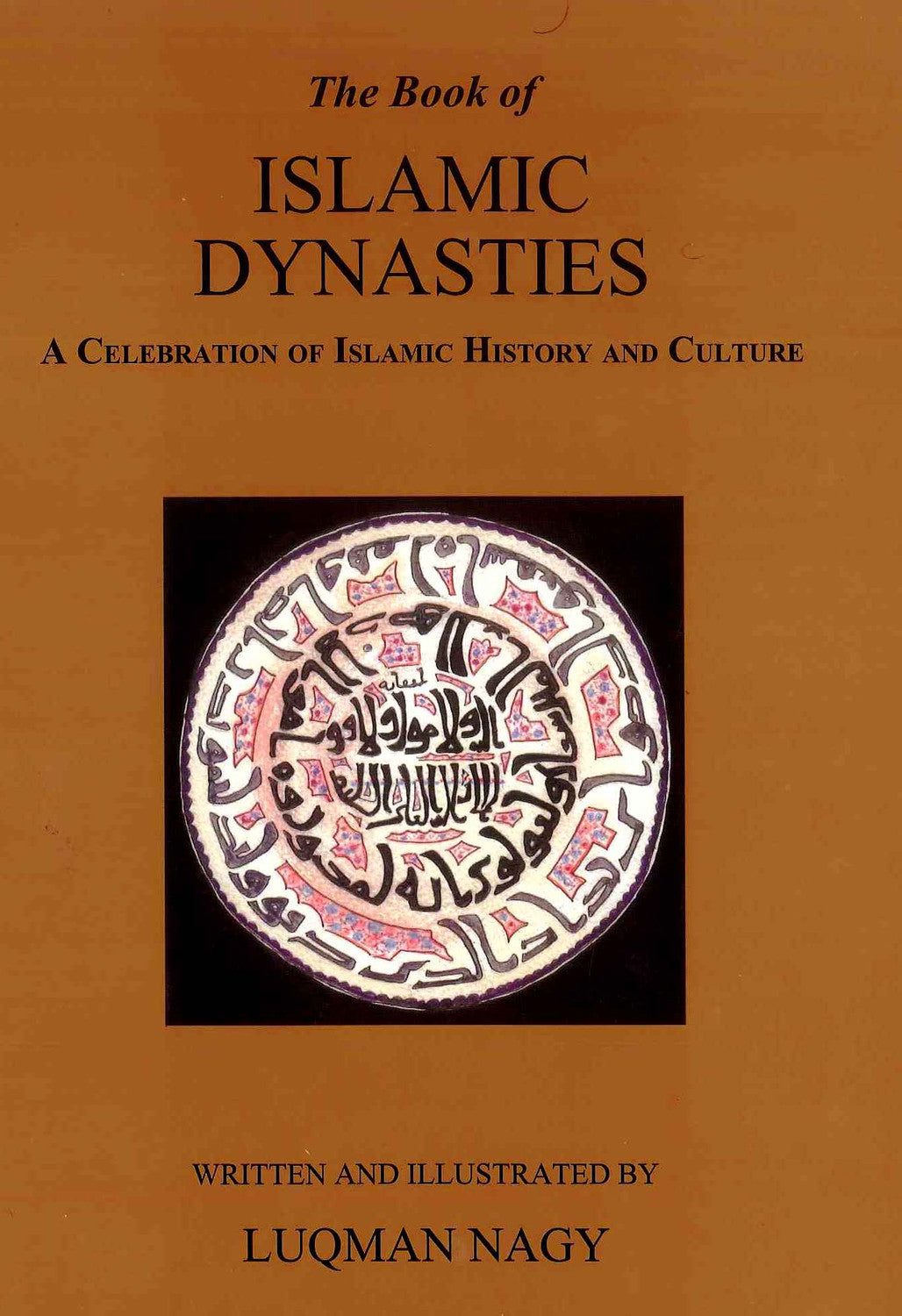
The Book of Islamic Dynasties by Luqman Nagy | Islamic History & Civilization Book
The Book of Islamic Dynasties by Luqman Nagy | Islamic History & Civilization Book
Publisher:
Ta Ha Publisher
Author:
Luqman Nagy
Language:
English
Binding:
Soft Cover
Pages: 194
Size: 12x17 Cm
Couldn't load pickup availability
Collapsible content
Description of islamic Book
The Book of Islamic Dynasties by Luqman Nagy | Islamic History & Civilization Book
The Book of Islamic Dynasties by Luqman Nagy is a richly illustrated historical guide that explores the rise, achievements, and legacy of major Islamic dynasties throughout history. Published by Ta-Ha Publishers, this engaging book presents a chronological journey through influential Islamic empires such as the Umayyads, Abbasids, and others, highlighting their cultural, scientific, and political contributions. Written in an accessible style, it helps readers understand how these dynasties shaped the Muslim world and influenced global civilization. The book combines educational content with visually appealing illustrations, making it suitable for both students and general readers interested in Islamic history. It is an excellent resource for gaining a deeper appreciation of Islamic heritage and the development of Muslim societies over time.
From Author:
The Book of Islamic Dynasties presents in one concise volume an introduction to the many great Islamic dynasties that have arisen, shone and faded - like stars in the firmament - but have left the Muslim world all the richer. The subtitle, A Celebration of Islamic History and Culture, reflects the importance of the inspiring cultural legacies bequeathed to us by our Muslim ancestors and the enormous contributions made by Muslims to world civilization. Filled with beautiful hand painted illustrations to bring the text to life. This book will be a pleasure to read for both adolescents and adults and will insha'Allah enable the reader to better comprehend the complexities of life in today's Dar al-Islam. Luqman Nagy was born and raised in Vancouver, Canada. He graduated from the University of British Columbia with graduate degrees in Library Science and Education and subsequently pursued Middle Eastern language studies at Ankara University (Turkish), Pahlavi [Shiraz] University (Persian), and Umm al-Qur'a University, Makkah (Arabic). Since 1970, he has traveled the length and breadth of Dar al-Islam several times always in search of traditional Islamic societies. He currently resides with his family in Dhahran, Saudi Arabia where he teaches at King Fahd University.
Content:
1. The Rightly Guided Caliphs (Al-Khulafa ar-Rashidun)
Abu Bakr, Umar, Uthman, and Ali (RA)
Early leadership of the Muslim Ummah
Establishment of Islamic governance based on Qur’an and Sunnah
2. The Umayyad Dynasty (661–750)
Beginning of hereditary rule in Islam
Expansion of the Islamic empire
Capital shift to Damascus
Development of military and administrative systems
3. Major Islamic Dynasties Covered
Umayyad Caliphate and Umayyads of Spain
Abbasid Caliphate
Samanids, Fatimids, Ghaznavids, Seljuqs
Almoravids, Almohads, Ayyubids
Delhi Sultanate, Mamluks, Ilkhanids, Timurids
Ottoman Empire
Safavids and Mughal Empire
4. Expansion of Islamic Civilization
Political growth and territorial expansion
Development of cities, culture, and governance systems
Interaction between Islamic and global civilizations
5. Leadership and Governance Styles
Transition from caliphate to dynastic rule
Differences between early caliphs and later monarchies
Rise of centralized power and royal courts
6. Historical Maps & Visual Learning
Illustrated timelines and maps of empires
Easy-to-understand visual representation of Islamic history
7. Reference Tools
Glossary of key Islamic and historical terms
Bibliography and index for deeper study
Key MessageThe book shows how Islamic civilization evolved through different dynasties, shaping world history through governance, culture, and intellectual development.
Page:01
The Book of
ISLAMIC DYNASTIES
A CELEBRATION OF ISLAMIC HISTORY AND CULTURE
لميقانه اد مواد لادور
MANVED
WRITTEN AND ILLUSTRATED BY
LUQMAN NAGY
Page_02
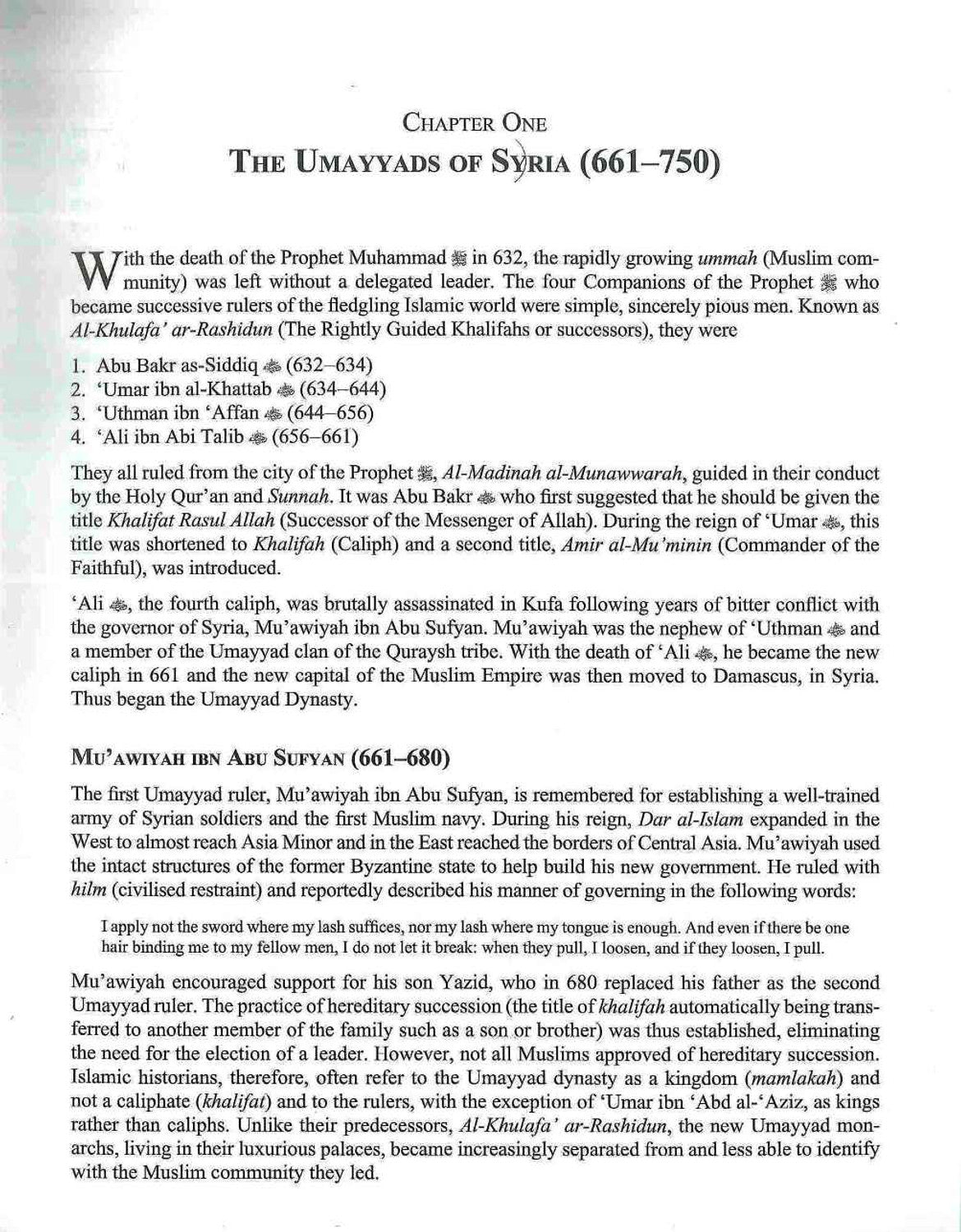
CHAPTER ONE
THE UMAYYADS OF SYRIA (661-750)
Tith the death of the Prophet Muhammad in 632, the rapidly growing ummah (Muslim com-
was left a leader. four of as
became successive rulers of the fledgling Islamic world were simple, sincerely pious men. Known as Al-Khulafa' ar-Rashidun (The Rightly Guided Khalifahs or successors), they were
1. Abu Bakr as-Siddiq (632-634)
2. 'Umar ibn al-Khattab
3. 'Uthman ibn 'Affan
(634-644) (644-656)
4. Ali ibn Abi Talib (656-661)
They all ruled from the city of the Prophet, Al-Madinah al-Munawwarah, guided in their conduct by the Holy Qur'an and Sunnah. It was Abu Bakr who first suggested that he should be given the title Khalifat Rasul Allah (Successor of the Messenger of Allah). During the reign of 'Umar, this title was shortened to Khalifah (Caliph) and a second title, Amir al-Mu'minin (Commander of the Faithful), was introduced.
'Ali, the fourth caliph, was brutally assassinated in Kufa following years of bitter conflict with the governor of Syria, Mu'awiyah ibn Abu Sufyan. Mu'awiyah was the nephew of 'Uthman and a member of the Umayyad clan of the Quraysh tribe. With the death of 'Ali, he became the new caliph in 661 and the new capital of the Muslim Empire was then moved to Damascus, in Syria. Thus began the Umayyad Dynasty.
MU'AWIYAH IBN ABU SUFYAN (661-680)
The first Umayyad ruler, Mu'awiyah ibn Abu Sufyan, is remembered for establishing a well-trained army of Syrian soldiers and the first Muslim navy. During his reign, Dar al-Islam expanded in the West to almost reach Asia Minor and in the East reached the borders of Central Asia. Mu'awiyah used the intact structures of the former Byzantine state to help build his new government. He ruled with hilm (civilised restraint) and reportedly described his manner of governing in the following words:
I apply not the sword where my lash suffices, nor my lash where my tongue is enough. And even if there be one hair binding me to my fellow men, I do not let it break: when they pull, I loosen, and if they loosen, I pull. Mu'awiyah encouraged support for his son Yazid, who in 680 replaced his father as the second Umayyad ruler. The practice of hereditary succession (the title of khalifah automatically being trans- ferred to another member of the family such as a son or brother) was thus established, eliminating the need for the election of a leader. However, not all Muslims approved of hereditary succession. Islamic historians, therefore, often refer to the Umayyad dynasty as a kingdom (mamlakah) and not a caliphate (khalifat) and to the rulers, with the exception of 'Umar ibn 'Abd al-'Aziz, as kings rather than caliphs. Unlike their predecessors, Al-Khulafa' ar-Rashidun, the new Umayyad mon- archs, living in their luxurious palaces, became increasingly separated from and less able to identify with the Muslim community they led.
Page:03
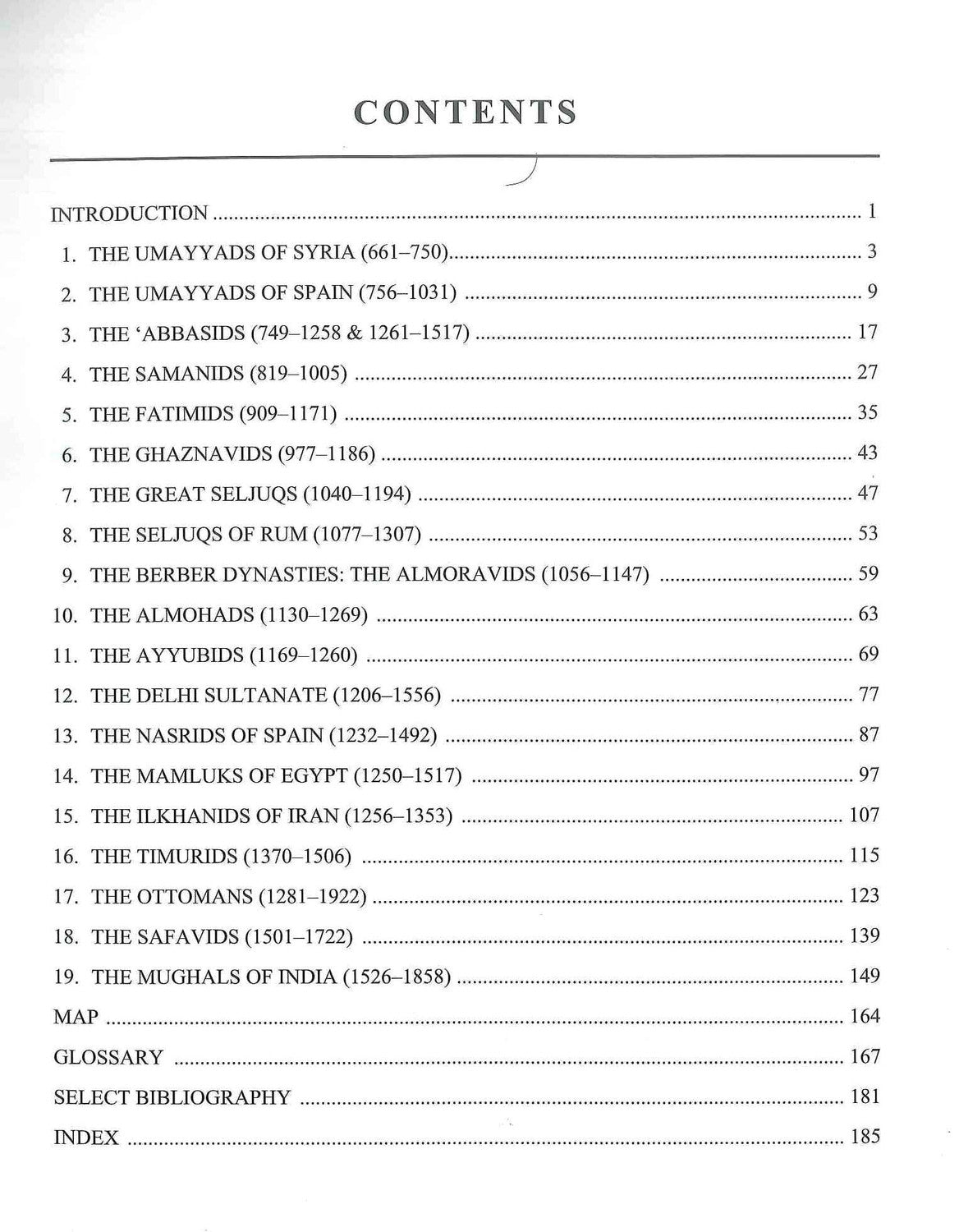
CONTENTS
INTRODUCTION
1. THE UMAYYADS OF SYRIA (661-750)..
2. THE UMAYYADS OF SPAIN (756-1031)
3. THE 'ABBASIDS (749-1258 & 1261-1517).
4. THE SAMANIDS (819-1005)
5. THE FATIMIDS (909-1171).
6. THE GHAZNAVIDS (977-1186).
7. THE GREAT SELJUQS (1040-1194)
8. THE SELJUQS OF RUM (1077-1307)
9. THE BERBER DYNASTIES: THE ALMORAVIDS (1056-1147)
10. THE ALMOHADS (1130-1269)
11. THE AYYUBIDS (1169-1260)
12. THE DELHI SULTANATE (1206-1556)
13. THE NASRIDS OF SPAIN (1232-1492)
14. THE MAMLUKS OF EGYPT (1250-1517) 15. THE ILKHANIDS OF IRAN (1256-1353) 16. THE TIMURIDS (1370-1506)
17. THE OTTOMANS (1281-1922)
18. THE SAFAVIDS (1501-1722)
19. THE MUGHALS OF INDIA (1526-1858)
MAP
GLOSSARY
SELECT BIBLIOGRAPHY
INDEX
Publisher
Ta Ha Publisher
Author
- Luqman Nagy
Shipping and Delivery
We dispatch orders directly from our UK and USA warehouses, offering multiple shipping options to suit your needs. We proudly ship worldwide.
UK Deliveries (from UK warehouse):
Standard shipping typically arrives within 3–4 working days. Expedited delivery takes 2–3 working days. We aim to dispatch orders the same day or next working day, with next-day delivery options available where applicable.
USA Deliveries (from USA warehouse):
Orders usually arrive within 4–7 working days.
Europe (shipped from UK):
Standard delivery takes approximately 6–10 working days, with expedited services available in 3–5 working days.
Canada:
Estimated delivery time is 5–10 working days.
Worldwide Shipping:
International orders generally arrive within 5–20 working days, depending on destination and shipping method selected.
For precise delivery timelines based on your location, please contact us by email and our team will provide detailed information tailored to your address.
Sample Pages - Content
Page:01
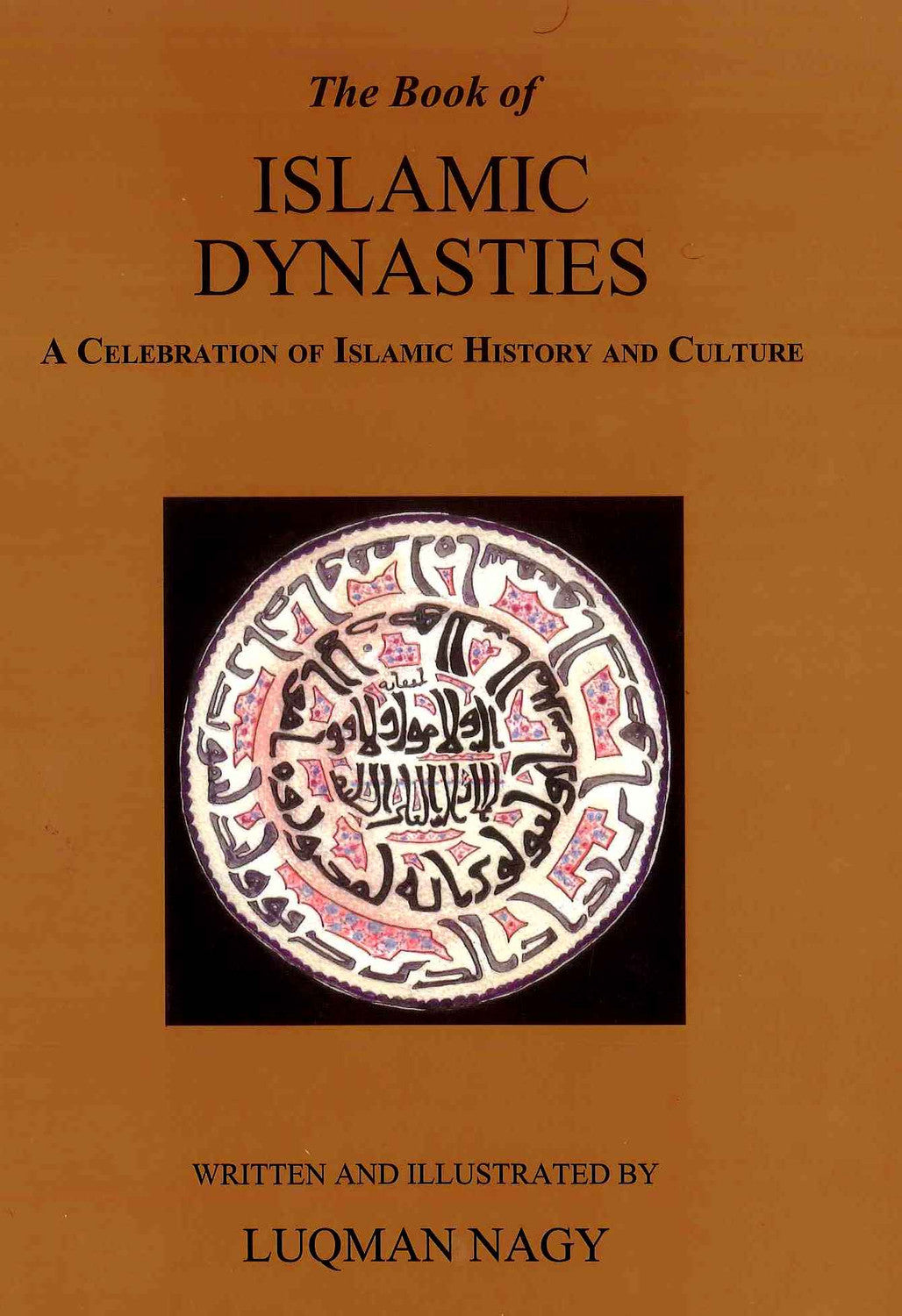
The Book of
ISLAMIC DYNASTIES
A CELEBRATION OF ISLAMIC HISTORY AND CULTURE
لميقانه اد مواد لادور
MANVED
WRITTEN AND ILLUSTRATED BY
LUQMAN NAGY
Page_02
CHAPTER ONE
THE UMAYYADS OF SYRIA (661-750)
Tith the death of the Prophet Muhammad in 632, the rapidly growing ummah (Muslim com-
was left a leader. four of as
became successive rulers of the fledgling Islamic world were simple, sincerely pious men. Known as Al-Khulafa' ar-Rashidun (The Rightly Guided Khalifahs or successors), they were
1. Abu Bakr as-Siddiq (632-634)
2. 'Umar ibn al-Khattab
3. 'Uthman ibn 'Affan
(634-644) (644-656)
4. Ali ibn Abi Talib (656-661)
They all ruled from the city of the Prophet, Al-Madinah al-Munawwarah, guided in their conduct by the Holy Qur'an and Sunnah. It was Abu Bakr who first suggested that he should be given the title Khalifat Rasul Allah (Successor of the Messenger of Allah). During the reign of 'Umar, this title was shortened to Khalifah (Caliph) and a second title, Amir al-Mu'minin (Commander of the Faithful), was introduced.
'Ali, the fourth caliph, was brutally assassinated in Kufa following years of bitter conflict with the governor of Syria, Mu'awiyah ibn Abu Sufyan. Mu'awiyah was the nephew of 'Uthman and a member of the Umayyad clan of the Quraysh tribe. With the death of 'Ali, he became the new caliph in 661 and the new capital of the Muslim Empire was then moved to Damascus, in Syria. Thus began the Umayyad Dynasty.
MU'AWIYAH IBN ABU SUFYAN (661-680)
The first Umayyad ruler, Mu'awiyah ibn Abu Sufyan, is remembered for establishing a well-trained army of Syrian soldiers and the first Muslim navy. During his reign, Dar al-Islam expanded in the West to almost reach Asia Minor and in the East reached the borders of Central Asia. Mu'awiyah used the intact structures of the former Byzantine state to help build his new government. He ruled with hilm (civilised restraint) and reportedly described his manner of governing in the following words:
I apply not the sword where my lash suffices, nor my lash where my tongue is enough. And even if there be one hair binding me to my fellow men, I do not let it break: when they pull, I loosen, and if they loosen, I pull. Mu'awiyah encouraged support for his son Yazid, who in 680 replaced his father as the second Umayyad ruler. The practice of hereditary succession (the title of khalifah automatically being trans- ferred to another member of the family such as a son or brother) was thus established, eliminating the need for the election of a leader. However, not all Muslims approved of hereditary succession. Islamic historians, therefore, often refer to the Umayyad dynasty as a kingdom (mamlakah) and not a caliphate (khalifat) and to the rulers, with the exception of 'Umar ibn 'Abd al-'Aziz, as kings rather than caliphs. Unlike their predecessors, Al-Khulafa' ar-Rashidun, the new Umayyad mon- archs, living in their luxurious palaces, became increasingly separated from and less able to identify with the Muslim community they led.
Page:03
CONTENTS
INTRODUCTION
1. THE UMAYYADS OF SYRIA (661-750)..
2. THE UMAYYADS OF SPAIN (756-1031)
3. THE 'ABBASIDS (749-1258 & 1261-1517).
4. THE SAMANIDS (819-1005)
5. THE FATIMIDS (909-1171).
6. THE GHAZNAVIDS (977-1186).
7. THE GREAT SELJUQS (1040-1194)
8. THE SELJUQS OF RUM (1077-1307)
9. THE BERBER DYNASTIES: THE ALMORAVIDS (1056-1147)
10. THE ALMOHADS (1130-1269)
11. THE AYYUBIDS (1169-1260)
12. THE DELHI SULTANATE (1206-1556)
13. THE NASRIDS OF SPAIN (1232-1492)
14. THE MAMLUKS OF EGYPT (1250-1517) 15. THE ILKHANIDS OF IRAN (1256-1353) 16. THE TIMURIDS (1370-1506)
17. THE OTTOMANS (1281-1922)
18. THE SAFAVIDS (1501-1722)
19. THE MUGHALS OF INDIA (1526-1858)
MAP
GLOSSARY
SELECT BIBLIOGRAPHY
INDEX
Who is Luqman Nagy?
Luqman Nagy is a seasoned scholar with a unique blend of Western education and deep Middle Eastern linguistic and cultural immersion. His rich travels and academic background lend depth and authenticity to his works on Islamic heritage.