


After the End: A Muslim Woman’s Companion to Iddah and Divorce | Islamic Guide for Healing and Recovery
After the End: A Muslim Woman’s Companion to Iddah and Divorce | Islamic Guide for Healing and Recovery
Publisher:
Ta Ha Publishers
Author:
Umm Hasan Bint Salim
Language:
English
Binding:
Soft Cover
Pages: 170
Size: 15x20cm
Couldn't load pickup availability


Collapsible content
Description of islamic Book
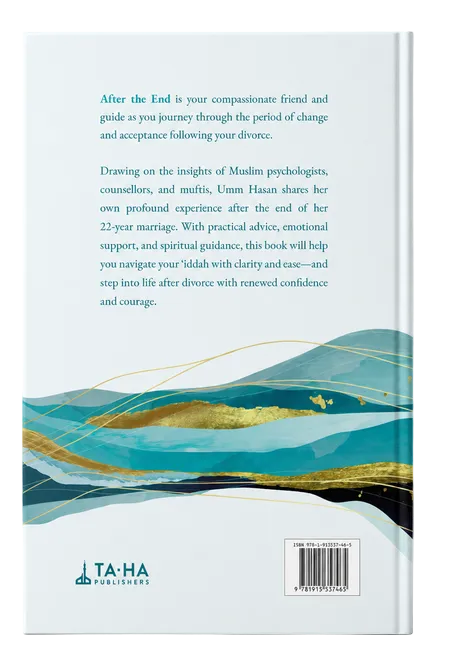
After the End: A Muslim Woman’s Companion to Iddah and Divorce is a compassionate and practical guide designed to support Muslim women through the emotional, spiritual, and personal challenges of divorce and the period of iddah. Drawing on Islamic teachings, professional insights, and personal experience, the book offers comfort, guidance, and encouragement during a time of significant life transition. Readers will find practical advice, emotional support, and faith-centered reflections to help them navigate grief, healing, self-discovery, and the journey toward a hopeful future. This valuable resource empowers women to approach divorce and iddah with resilience, dignity, and trust in Allah.
يَتأَيُّهَا النَّبِيُّ إِذَا طَلَّقْتُمُ النَّسَاءَ فَظَلَقُوهُنَّ لِعِدَّتِهِنَّ وَأَحْصُوا الْعِدة ن بُيُوتِهِنَّ وَلَا يَخْرُجْنَ إِلَّا أَن وَاتَّقُوا اللَّهَ رَبَّكُمْ لا يُخْرِجُوهُ يأتين بفنجشَةٍ منيتةٍ وَتِلْكَ حُدُودُ اللَّهِ وَمَن يَتَعَدُ حُدُودَ اللَّهِ فقد ظلم نَفْسَهُ لا تَدْرِي لَعَلَّ اللَّهَ يُحْدِثُ بَعْدَ ذَلِكَ أَمْرًا ٥
provided for your healing and ease, will help strengthen you, a chapter of your life. Know that you will be rewarded for enduring your unique circumstances.
يبل اللهُ عَلَيْنَا إِنَّهُ مَن يَتَّقِ وَيَصْبِرْ فَإِنَّ اللَّهَ لَا يُضِيعُ أَجْرَ الْمُحْسِنِينَ .
Allah has truly been gracious to us. Surely whosoever is mindful of Allah and patient, then certainly Allah never discounts the reward of the good-doers. (Surah Yusuf 12.90)
Reshaping Divorce
Divorce in Islam came as a mercy for women. It was a means to free them from cycles of endless marriage and divorce, where they may nee never being released. A woman could be divorced a thousand times, same husband, yet still remain bound to him, intensifying her grief.
Divorce was never meant to be understood solely through
a single hadith that states, "The most hateful of lawful matters is divorce" (Abu Dawud). This hadith, taken alone, does not provide the context and wisdom behind divorce in Islam, which is one of relief and protection when needed. Allah chooses to describe the prescription for divorce in the Qur'an without any hint of reproach.
O Prophet! Instruct the believers: When you divorce women, then divorce them with concern for their waiting period, and count it accurately. And fear Allah, your Lord. Do not force them out of their homes, nor should they leave unless they commit blatant misconduct. These are the limits set by Allah. And whoever transgresses Allah's limits has truly wronged his own soul. You never know, perhaps Allah will bring about a change of heart later. (Surah at-Talaq 65:1)
Given this clear permissibility of divorce in the Qur'an, the above hadith serves to indicate that divorce is not a light matter and it is to be approached with care and within prescribed boundaries. Scholars' opinions regarding divorce also generally converge on the need for divorce. Divorce can, therefore, fall on a spectrum of being forbidden to being obligatory, or anywhere in between depending on the circumstances.
Marriage is not frivolous. It is, as Allah describes, a solemn covenant with a premise of permanence that is not to be neglected. However, when it is not properly observed, it is injustice for it to remain and continae, for everyone involved. When divorce is protecting a person from harm, it is certainly recommended.
يَتَأَيُّهَا النهى إذا طلقتم النساءَ فَظَلَقُوهُنَّ لِعِدَّتِهِنَ وَأَحْصُوا الْعِدَةَ والقوا الله ويُحكُمْ لَا تُخْرِجُوهُنَّ مِنْ بُيُوبِهِنَّ وَلَا تَخْرَجْنَ إِلَّا أَن يَأْتين بفنجشَةٍ مُبَيَّنَةٍ وَتِلْكَ حُدُودُ اللَّهِ وَمَن يَتَعَدَّ حُدُودَ اللَّهِ فقد ظلم نفسه. لا تدرى لعل الله بحيثُ بَعْدَ ذَلِكَ أَمْرًا ٥
provided for your healing and case, will help strengthen the chapter of your life. Know that you will be rewarded for your unique circumstances.
وَمَن الله عَلَيْنَا إِنَّهُ مَن يَلقَ وَيَصْبِرْ فَإِنَّ اللَّهَ لَا يُضِيعُ أَجْرَ الْمُحْسِنِين .
Allah has truly been gracious to us. Surely whoever is mindful of Allah and patient, then certainly Allah does not discounts the reward of the good-doers. (Surah Yusuf 12:90)
Reshaping Divorce
Divorce in Islam came as a mercy for women. It was a means to them from cycles of endless marriage and divorce, where they were never being released. A woman could be divorced a thousand times by the same husband, yet still remain bound to him, intensifying her pain.
Divorce was never meant to be understood solely through a single hadith that states, "The most hateful of lawful matters is divorce" (Abu Dawud). This hadith, taken alone, does not capture the context and wisdom behind divorce in Islam, which is to offer protection when needed. Allah chooses to describe the mindful prescription for divorce in the Qur'an without any hint of reproach.
76- After the End
O Prophet! Instruct the believers: When you divorce women, then divorce them with concern for their waiting period, and count it accurately. And fear Allah, your Lord. Do not force them out of their homes, nor should they leave unless they commit blatant misconduct. These are the limits set by Allah. And whoever transgresses Allah's limits has truly wronged his own soul. You never know, perhaps Allah will bring about a change of heart later. (Surah at-Talaq 65:1)
Given this clear permissibility of divorce in the Qur'an, the above hadith serves to indicate that divorce is not a light matter and it is to be approached with care and within prescribed boundaries. Scholars' opinions regarding divorce also generally converge on the need for divorce. Divorce can, therefore, fall on a spectrum of being forbidden to being obligatory, or anywhere in between depending on the circumstances.
Marriage is not frivolous. It is, as Allah describes, a solemn covenant with a premise of permanence that is not to be neglected. However, when it is not properly observed, it is injustice for it to remain and continue, for everyone involved. When divorce is protecting a person from harm, it is certainly recommended.
Finding Your Feet-77
Contents
Preface
An Important Note Introduction
6
8
10
I Turmoil of Every Kind
12
Only the Beginning
14
No Regrets
18
Softening the Grief
22
Anchoring with Gratitude
25
Facing Fears and Anxieties
30
Making Peace with Injustice
33
Filling the Void
38
Balm for the Heart
42
Challenging Guilt
45
Extinguishing the Anger
47
Welcoming Support
52
Holding Space
55
Addressing Negative Thoughts
58
Coping with Multiple Losses
62
66
69
Having Beautiful Patience
Shifting Away from Turmoil
II Finding Your Feet Healing in "Iddah Reshaping Divorce
The Mercy of "Iddah
72
74
76
81
76 After the End
11-Finding Your Fort 77
Publisher
Ta Ha Publishers
Author
- Umm Hasan Bint Salim
Shipping and Delivery
We dispatch orders directly from our UK and USA warehouses, offering multiple shipping options to suit your needs. We proudly ship worldwide.
UK Deliveries (from UK warehouse):
Standard shipping typically arrives within 3–4 working days. Expedited delivery takes 2–3 working days. We aim to dispatch orders the same day or next working day, with next-day delivery options available where applicable.
USA Deliveries (from USA warehouse):
Orders usually arrive within 4–7 working days.
Europe (shipped from UK):
Standard delivery takes approximately 6–10 working days, with expedited services available in 3–5 working days.
Canada:
Estimated delivery time is 5–10 working days.
Worldwide Shipping:
International orders generally arrive within 5–20 working days, depending on destination and shipping method selected.
For precise delivery timelines based on your location, please contact us by email and our team will provide detailed information tailored to your address.
Sample Pages - Content
يَتأَيُّهَا النَّبِيُّ إِذَا طَلَّقْتُمُ النَّسَاءَ فَظَلَقُوهُنَّ لِعِدَّتِهِنَّ وَأَحْصُوا الْعِدة ن بُيُوتِهِنَّ وَلَا يَخْرُجْنَ إِلَّا أَن وَاتَّقُوا اللَّهَ رَبَّكُمْ لا يُخْرِجُوهُ يأتين بفنجشَةٍ منيتةٍ وَتِلْكَ حُدُودُ اللَّهِ وَمَن يَتَعَدُ حُدُودَ اللَّهِ فقد ظلم نَفْسَهُ لا تَدْرِي لَعَلَّ اللَّهَ يُحْدِثُ بَعْدَ ذَلِكَ أَمْرًا ٥
provided for your healing and ease, will help strengthen you, a chapter of your life. Know that you will be rewarded for enduring your unique circumstances.
يبل اللهُ عَلَيْنَا إِنَّهُ مَن يَتَّقِ وَيَصْبِرْ فَإِنَّ اللَّهَ لَا يُضِيعُ أَجْرَ الْمُحْسِنِينَ .
Allah has truly been gracious to us. Surely whosoever is mindful of Allah and patient, then certainly Allah never discounts the reward of the good-doers. (Surah Yusuf 12.90)
Reshaping Divorce
Divorce in Islam came as a mercy for women. It was a means to free them from cycles of endless marriage and divorce, where they may nee never being released. A woman could be divorced a thousand times, same husband, yet still remain bound to him, intensifying her grief.
Divorce was never meant to be understood solely through
a single hadith that states, "The most hateful of lawful matters is divorce" (Abu Dawud). This hadith, taken alone, does not provide the context and wisdom behind divorce in Islam, which is one of relief and protection when needed. Allah chooses to describe the prescription for divorce in the Qur'an without any hint of reproach.
O Prophet! Instruct the believers: When you divorce women, then divorce them with concern for their waiting period, and count it accurately. And fear Allah, your Lord. Do not force them out of their homes, nor should they leave unless they commit blatant misconduct. These are the limits set by Allah. And whoever transgresses Allah's limits has truly wronged his own soul. You never know, perhaps Allah will bring about a change of heart later. (Surah at-Talaq 65:1)
Given this clear permissibility of divorce in the Qur'an, the above hadith serves to indicate that divorce is not a light matter and it is to be approached with care and within prescribed boundaries. Scholars' opinions regarding divorce also generally converge on the need for divorce. Divorce can, therefore, fall on a spectrum of being forbidden to being obligatory, or anywhere in between depending on the circumstances.
Marriage is not frivolous. It is, as Allah describes, a solemn covenant with a premise of permanence that is not to be neglected. However, when it is not properly observed, it is injustice for it to remain and continae, for everyone involved. When divorce is protecting a person from harm, it is certainly recommended.
يَتَأَيُّهَا النهى إذا طلقتم النساءَ فَظَلَقُوهُنَّ لِعِدَّتِهِنَ وَأَحْصُوا الْعِدَةَ والقوا الله ويُحكُمْ لَا تُخْرِجُوهُنَّ مِنْ بُيُوبِهِنَّ وَلَا تَخْرَجْنَ إِلَّا أَن يَأْتين بفنجشَةٍ مُبَيَّنَةٍ وَتِلْكَ حُدُودُ اللَّهِ وَمَن يَتَعَدَّ حُدُودَ اللَّهِ فقد ظلم نفسه. لا تدرى لعل الله بحيثُ بَعْدَ ذَلِكَ أَمْرًا ٥
provided for your healing and case, will help strengthen the chapter of your life. Know that you will be rewarded for your unique circumstances.
وَمَن الله عَلَيْنَا إِنَّهُ مَن يَلقَ وَيَصْبِرْ فَإِنَّ اللَّهَ لَا يُضِيعُ أَجْرَ الْمُحْسِنِين .
Allah has truly been gracious to us. Surely whoever is mindful of Allah and patient, then certainly Allah does not discounts the reward of the good-doers. (Surah Yusuf 12:90)
Reshaping Divorce
Divorce in Islam came as a mercy for women. It was a means to them from cycles of endless marriage and divorce, where they were never being released. A woman could be divorced a thousand times by the same husband, yet still remain bound to him, intensifying her pain.
Divorce was never meant to be understood solely through a single hadith that states, "The most hateful of lawful matters is divorce" (Abu Dawud). This hadith, taken alone, does not capture the context and wisdom behind divorce in Islam, which is to offer protection when needed. Allah chooses to describe the mindful prescription for divorce in the Qur'an without any hint of reproach.
76- After the End
O Prophet! Instruct the believers: When you divorce women, then divorce them with concern for their waiting period, and count it accurately. And fear Allah, your Lord. Do not force them out of their homes, nor should they leave unless they commit blatant misconduct. These are the limits set by Allah. And whoever transgresses Allah's limits has truly wronged his own soul. You never know, perhaps Allah will bring about a change of heart later. (Surah at-Talaq 65:1)
Given this clear permissibility of divorce in the Qur'an, the above hadith serves to indicate that divorce is not a light matter and it is to be approached with care and within prescribed boundaries. Scholars' opinions regarding divorce also generally converge on the need for divorce. Divorce can, therefore, fall on a spectrum of being forbidden to being obligatory, or anywhere in between depending on the circumstances.
Marriage is not frivolous. It is, as Allah describes, a solemn covenant with a premise of permanence that is not to be neglected. However, when it is not properly observed, it is injustice for it to remain and continue, for everyone involved. When divorce is protecting a person from harm, it is certainly recommended.
Finding Your Feet-77
Contents
Preface
An Important Note Introduction
6
8
10
I Turmoil of Every Kind
12
Only the Beginning
14
No Regrets
18
Softening the Grief
22
Anchoring with Gratitude
25
Facing Fears and Anxieties
30
Making Peace with Injustice
33
Filling the Void
38
Balm for the Heart
42
Challenging Guilt
45
Extinguishing the Anger
47
Welcoming Support
52
Holding Space
55
Addressing Negative Thoughts
58
Coping with Multiple Losses
62
66
69
Having Beautiful Patience
Shifting Away from Turmoil
II Finding Your Feet Healing in "Iddah Reshaping Divorce
The Mercy of "Iddah
72
74
76
81
76 After the End
11-Finding Your Fort 77
Who is Umm Hasan Bint Salim?
Umm Hasan Bint Salim is a graduate of Oxford University, holding a degree in Experimental Psychology, and has also studied at a traditional Darul Ulum. She is a home educator and a mother of seven children, currently enhancing her Islamic scholarship at Al‑Qalam Institute in Leicester