


يقدم كتاب "الصراط المستقيم" منظوراً جريئًا، يوضح كيف تتحدى سورة الفاتحة بشكل مباشر الأيديولوجيات السائدة في عصرنا، وهي الأيديولوجيات التي تدعم الارتباك والظلم وحتى الفظائع التي نشهدها اليوم. ولا يظهر هذا الفشل بشكل أوضح مما هو عليه في الإبادة الجماعية في غزة، وهي مثال مروع على الانهيار الأخلاقي للحداثة العلمانية.
1
/
ل
5
الصراط المستقيم: كيف تعالج سورة الفاتحة الأيديولوجيات الحديثة - إرشادات إسلامية لتحديات اليوم
الصراط المستقيم: كيف تعالج سورة الفاتحة الأيديولوجيات الحديثة - إرشادات إسلامية لتحديات اليوم
No reviews
Publisher:
Kube Publishing
Author:
نذير خان
Language:
إنجليزي
Binding:
غلاف مقوى
Pages: 245
Size: 24سمx16سم
السعر العادي
$23.99 USD
السعر العادي
سعر البيع
$23.99 USD
سعر الوحدة
/
لكل
يتم احتساب الشحن عند الخروج.
لم نتمكن من تحميل توفر الاستلام


محتوى قابل للطي
وصف كتاب إسلامي
كتاب قوي ومثير للتفكير يستكشف كيف توفر سورة الفاتحة إرشادًا خالدًا وتستجيب للتحديات الأيديولوجية الحديثة من منظور العقيدة الإسلامية.
من المؤلف:
الصفحة: 01
العلمانية، الإلحاد، المادية، الربوبية، التعددية، الليبرالية، النسبية، التقدمية، العلمانية، ما بعد الحداثة
الصراط المستقيم
كيف تعالج سورة الفاتحة الأيديولوجيات الحديثة
د. نذير خان
الصفحة: 02
المحتويات
شكر وتقدير المؤلف
تقديمات
7- الاستعاذة - تقديم الإمام توم فاتشيني
9- البسملة - تقديم الشيخ يوسف وهب
13- الصراط المستقيم
16- مقدمة المؤلف
26- نظرة عامة: سورة الفاتحة والأيديولوجيات الحديثة
28- الحمد لله - تفكيك الإلحاد
46- رب العالمين - تفكيك المادية
64- الرحمن الرحيم - تفكيك الربوبية
81- مالك يوم الدين - تفكيك العلمانية
94- إياك نعبد - تفكيك التعددية
112- وإياك نستعين - تفكيك الطبيعانية
134- اهدنا الصراط المستقيم - تفكيك النسبية
153- صراط الذين أنعمت عليهم - تفكيك التقدمية
170- غير المغضوب عليهم - تفكيك الليبرالية
188- ولا الضالين - تفكيك ما بعد الحداثة
204- الخاتمة
214- مسرد المصطلحات
218- المراجع
الأعمال الإسلامية الكلاسيكية (حسب الترتيب الزمني)
مراجع أخرى (حسب الترتيب الأبجدي)
الصفحة: 03
94
إياك نعبد
تفكيك التعددية
من المنظور الإسلامي، يعد اكتساب المعرفة السليمة بالله وبأسمائه وصفاته أساساً لمعرفة كيفية العيش في هذا العالم واتباع السلوك الأخلاقي. ونرى هذا منعكساً في سورة الفاتحة. فبعد إرساء أسس المعرفة بالله، تنتقل السورة إلى واجب العباد المطلوب. يبدأ هذا بقوله تعالى "إياك نعبد". كما يظهر هذا تحولاً نحوياً (التفاتاً) من صيغة الغائب إلى صيغة المخاطب، مما يشير إلى تحول مصاحب في النفس البشرية التي تهيأت لمخاطبة الله مباشرة بعد اكتساب فهم سليم لصفات كماله. إن من استوعب جيداً معاني الرؤية التوحيدية للإسلام، قد أعد نفسه للأنس والقرب من علاقة مباشرة مع الذات الإلهية.
تعلم السورة أيضاً آداب الدعاء إلى الله، حيث يبدأ المرء أولاً بالثناء الواجب وعبادة الله وحده قبل المضي في طلبه. يكتب الشيخ محمد الشناوي:
"في فاتحة الكتاب (سورة الفاتحة)، من المعاني العميقة أن الله وضع عبارة 'إياك نعبد' بعد الآيات التي تثني عليه وتمجده. يجسد هذا الترتيب كيف أن العبودية هي فرع عن المعرفة، ومن ثم يندفع المسلم لعبادة الله داخلياً وخارجياً. الدافع الخارجي هو أمر الله الموحى به الذي يلزم الناس بأداء العبادات الشعائرية، بينما ينبع الدافع الداخلي من تقدير كمال الله، وإدراك العبد لنقصه وتقديره لإحسان الله."
الصفحة: 04
132
الصراط المستقيم
إن ما هو أسوأ من استعمار الذكاء الاصطناعي هو إبادة الذكاء الاصطناعي، والتي تحدث حالياً في غزة. كشف تحقيق حديث أن الجيش الإسرائيلي استخدم برنامجاً للذكاء الاصطناعي يسمى "لافندر" لتحديد آلاف الفلسطينيين كأهداف دون تحقق كافٍ، ثم مكّن الجيش من قصفهم عندما يدخلون منازل عائلاتهم. كما استخدموا ما يسمى بالكلاب الآلية، أو وحدات "فيجن 60" التي تنتجها الشركة الأمريكية "جوست روبوتيكس"، في حملتهم التدميرية. وكما أشار الخبراء، فإن استخدام إسرائيل للأسلحة المعززة بالذكاء الاصطناعي يثير تساؤلات أخلاقية حول كيفية مساعدة التكنولوجيا في تسهيل العنف وزيادة تهجير الفلسطينيين من خلال تقليل التكلفة البشرية على إسرائيل في خوض الحرب.
إن مستقبل الابتكار العلمي يمكن أن يكون إما خادماً للبشرية أو مهدداً بإفنائها. واختيار المسار الأول يتطلب استعادة الهيكل القيمي التوحيدي الذي مكّن الابتكار العلمي في المقام الأول. فالعودة لطلب العون والهداية من الله في جميع شؤوننا تتيح إعطاء الأولوية للفضائل الأخلاقية الضرورية لضمان أن تكون الوسائل المادية لصالحنا لا لضررنا.
إن الله هو الذي يدبر شؤوننا دائماً. ولذلك، فإن أنسب مسار للعمل هو طلب عونه ووضع ثقتنا المطلقة فيه، مع استخدام الوسائل الدنيوية التي هيأها لنا.
الصفحة: 05
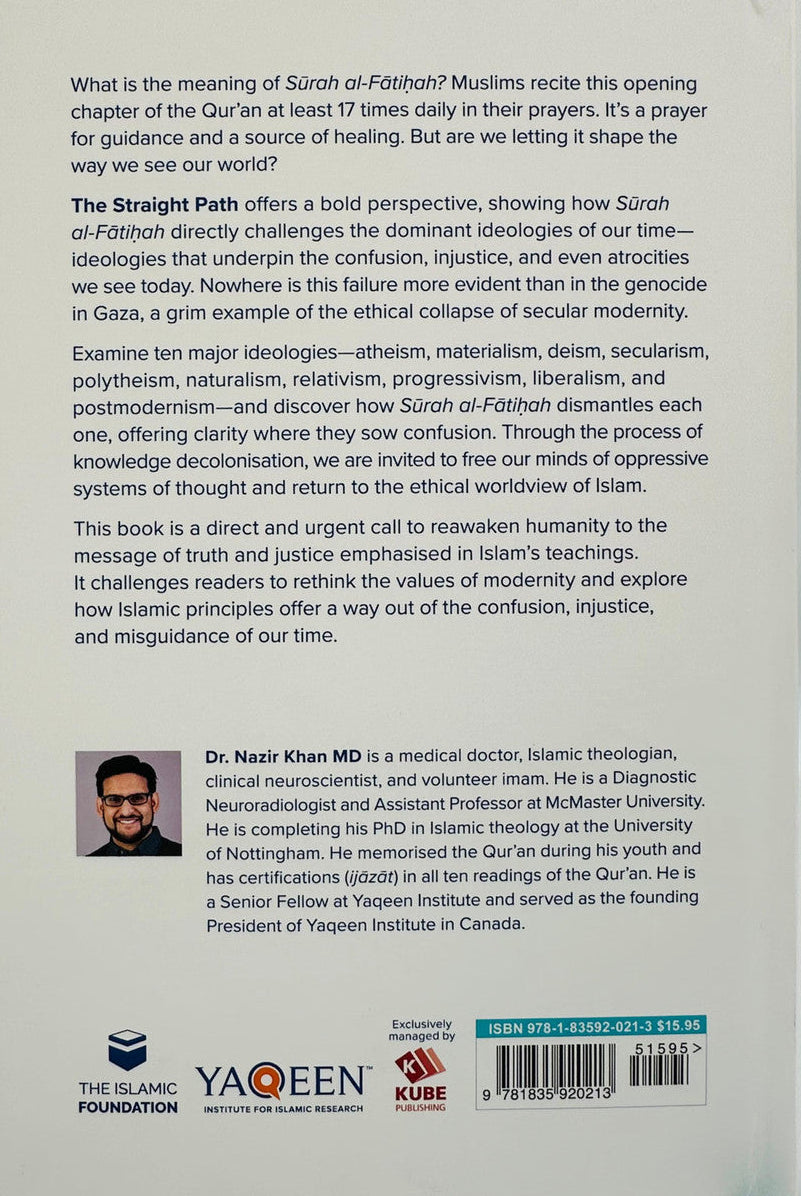
ما معنى سورة الفاتحة؟ يقرأ المسلمون هذه السورة التي تفتتح القرآن الكريم 17 مرة يومياً على الأقل في صلواتهم. إنها دعاء للهداية ومصدر للشفاء. ولكن هل نسمح لها بتشكيل نظرتنا للعالم؟
يقدم كتاب "الصراط المستقيم" منظوراً جريئاً، موضحاً كيف تتحدى سورة الفاتحة بشكل مباشر الأيديولوجيات المهيمنة في عصرنا - الأيديولوجيات التي تدعم الارتباك والظلم وحتى الفظائع التي نراها اليوم. ولا يظهر هذا الفشل أكثر مما يظهر في الإبادة الجماعية في غزة، وهي مثال كئيب للانهيار الأخلاقي للحداثة العلمانية. افحص عشر أيديولوجيات كبرى - الإلحاد، المادية، الربوبية، العلمانية، التعددية، الطبيعانية، النسبية، التقدمية، الليبرالية، وما بعد الحداثة - واكتشف كيف تفكك سورة الفاتحة كلاً منها، مقدمةً الوضوح حيث يبذرون الارتباك. ومن خلال عملية "إنهاء استعمار المعرفة"، نحن مدعوون لتحرير عقولنا من أنظمة الفكر القمعية والعودة إلى النظرة الأخلاقية للعالم في الإسلام.
هذا الكتاب دعوة مباشرة وعاجلة لإيقاظ الإنسانية من جديد على رسالة الحق والعدل التي تؤكدها تعاليم الإسلام. وهو يتحدى القراء لإعادة التفكير في قيم الحداثة واستكشاف كيف تقدم المبادئ الإسلامية مخرجاً من الارتباك والظلم والضلال في عصرنا.
د. نذير خان، طبيب، وعالم لاهوت إسلامي، وعالم أعصاب سريري، وإمام متطوع. يعمل طبيباً تشخيصياً للأشعة العصبية وأستاذاً مساعداً في جامعة ماكماستر. وهو بصدد إكمال درجة الدكتوراه في اللاهوت الإسلامي في جامعة نوتينغهام. حفظ القرآن الكريم في شبابه ولديه إجازات في القراءات العشر للقرآن. وهو زميل أبحاث أول في معهد "يقين" وشغل منصب الرئيس المؤسس لمعهد "يقين" في كندا.
المؤسسة الإسلامية
معهد يقين للبحوث الإسلامية
الناشر
Kube Publishing
مؤلف
- نذير خان
الشحن والتوصيل
نقوم بشحن الطلبات مباشرة من مستودعاتنا في المملكة المتحدة والولايات المتحدة الأمريكية، ونقدم خيارات شحن متعددة لتناسب احتياجاتك. نحن نشحن بفخر إلى جميع أنحاء العالم.
عمليات التسليم في المملكة المتحدة (من مستودع المملكة المتحدة):
يصل الشحن القياسي عادةً في غضون 3-4 أيام عمل. يستغرق التسليم السريع 2-3 أيام عمل. نهدف إلى شحن الطلبات في نفس اليوم أو يوم العمل التالي، مع توفر خيارات التوصيل في اليوم التالي حيثما ينطبق ذلك.
عمليات التسليم في الولايات المتحدة الأمريكية (من مستودع الولايات المتحدة الأمريكية):
تصل الطلبات عادةً في غضون 4-7 أيام عمل.
أوروبا (يتم الشحن من المملكة المتحدة):
يستغرق التسليم القياسي حوالي 6-10 أيام عمل، مع توفر خدمات الشحن السريع في غضون 3-5 أيام عمل.
كندا:
الوقت المقدر للتسليم هو 5-10 أيام عمل.
الشحن في جميع أنحاء العالم:
تصل الطلبات الدولية بشكل عام في غضون 5-20 يوم عمل، اعتمادًا على الوجهة وطريقة الشحن المختارة.
للحصول على جداول زمنية دقيقة للتسليم بناءً على موقعك، يرجى الاتصال بنا عبر البريد الإلكتروني وسيقدم فريقنا معلومات مفصلة ومخصصة لعنوانك.
صفحات العينة - المحتوى
الصفحة: 01
العلمانية، الإلحاد، المادية، الربوبية، التعددية، الليبرالية، النسبية، التقدمية، العلمانية، ما بعد الحداثة
الصراط المستقيم
كيف تعالج سورة الفاتحة الأيديولوجيات الحديثة
د. نذير خان
الصفحة: 02
المحتويات
شكر وتقدير المؤلف
تقديمات
7- الاستعاذة - تقديم الإمام توم فاتشيني
9- البسملة - تقديم الشيخ يوسف وهب
13- الصراط المستقيم
16- مقدمة المؤلف
26- نظرة عامة: سورة الفاتحة والأيديولوجيات الحديثة
28- الحمد لله - تفكيك الإلحاد
46- رب العالمين - تفكيك المادية
64- الرحمن الرحيم - تفكيك الربوبية
81- مالك يوم الدين - تفكيك العلمانية
94- إياك نعبد - تفكيك التعددية
112- وإياك نستعين - تفكيك الطبيعانية
134- اهدنا الصراط المستقيم - تفكيك النسبية
153- صراط الذين أنعمت عليهم - تفكيك التقدمية
170- غير المغضوب عليهم - تفكيك الليبرالية
188- ولا الضالين - تفكيك ما بعد الحداثة
204- الخاتمة
214- مسرد المصطلحات
218- المراجع
الأعمال الإسلامية الكلاسيكية (حسب الترتيب الزمني)
مراجع أخرى (حسب الترتيب الأبجدي)
الصفحة: 03
94
إياك نعبد
تفكيك التعددية
من المنظور الإسلامي، يعد اكتساب المعرفة السليمة بالله وبأسمائه وصفاته أساساً لمعرفة كيفية العيش في هذا العالم واتباع السلوك الأخلاقي. ونرى هذا منعكساً في سورة الفاتحة. فبعد إرساء أسس المعرفة بالله، تنتقل السورة إلى واجب العباد المطلوب. يبدأ هذا بقوله تعالى "إياك نعبد". كما يظهر هذا تحولاً نحوياً (التفاتاً) من صيغة الغائب إلى صيغة المخاطب، مما يشير إلى تحول مصاحب في النفس البشرية التي تهيأت لمخاطبة الله مباشرة بعد اكتساب فهم سليم لصفات كماله. إن من استوعب جيداً معاني الرؤية التوحيدية للإسلام، قد أعد نفسه للأنس والقرب من علاقة مباشرة مع الذات الإلهية.
تعلم السورة أيضاً آداب الدعاء إلى الله، حيث يبدأ المرء أولاً بالثناء الواجب وعبادة الله وحده قبل المضي في طلبه. يكتب الشيخ محمد الشناوي:
"في فاتحة الكتاب (سورة الفاتحة)، من المعاني العميقة أن الله وضع عبارة 'إياك نعبد' بعد الآيات التي تثني عليه وتمجده. يجسد هذا الترتيب كيف أن العبودية هي فرع عن المعرفة، ومن ثم يندفع المسلم لعبادة الله داخلياً وخارجياً. الدافع الخارجي هو أمر الله الموحى به الذي يلزم الناس بأداء العبادات الشعائرية، بينما ينبع الدافع الداخلي من تقدير كمال الله، وإدراك العبد لنقصه وتقديره لإحسان الله."
الصفحة: 04
132
الصراط المستقيم
إن ما هو أسوأ من استعمار الذكاء الاصطناعي هو إبادة الذكاء الاصطناعي، والتي تحدث حالياً في غزة. كشف تحقيق حديث أن الجيش الإسرائيلي استخدم برنامجاً للذكاء الاصطناعي يسمى "لافندر" لتحديد آلاف الفلسطينيين كأهداف دون تحقق كافٍ، ثم مكّن الجيش من قصفهم عندما يدخلون منازل عائلاتهم. كما استخدموا ما يسمى بالكلاب الآلية، أو وحدات "فيجن 60" التي تنتجها الشركة الأمريكية "جوست روبوتيكس"، في حملتهم التدميرية. وكما أشار الخبراء، فإن استخدام إسرائيل للأسلحة المعززة بالذكاء الاصطناعي يثير تساؤلات أخلاقية حول كيفية مساعدة التكنولوجيا في تسهيل العنف وزيادة تهجير الفلسطينيين من خلال تقليل التكلفة البشرية على إسرائيل في خوض الحرب.
إن مستقبل الابتكار العلمي يمكن أن يكون إما خادماً للبشرية أو مهدداً بإفنائها. واختيار المسار الأول يتطلب استعادة الهيكل القيمي التوحيدي الذي مكّن الابتكار العلمي في المقام الأول. فالعودة لطلب العون والهداية من الله في جميع شؤوننا تتيح إعطاء الأولوية للفضائل الأخلاقية الضرورية لضمان أن تكون الوسائل المادية لصالحنا لا لضررنا.
إن الله هو الذي يدبر شؤوننا دائماً. ولذلك، فإن أنسب مسار للعمل هو طلب عونه ووضع ثقتنا المطلقة فيه، مع استخدام الوسائل الدنيوية التي هيأها لنا.
الصفحة: 05
ما معنى سورة الفاتحة؟ يقرأ المسلمون هذه السورة التي تفتتح القرآن الكريم 17 مرة يومياً على الأقل في صلواتهم. إنها دعاء للهداية ومصدر للشفاء. ولكن هل نسمح لها بتشكيل نظرتنا للعالم؟
يقدم كتاب "الصراط المستقيم" منظوراً جريئاً، موضحاً كيف تتحدى سورة الفاتحة بشكل مباشر الأيديولوجيات المهيمنة في عصرنا - الأيديولوجيات التي تدعم الارتباك والظلم وحتى الفظائع التي نراها اليوم. ولا يظهر هذا الفشل أكثر مما يظهر في الإبادة الجماعية في غزة، وهي مثال كئيب للانهيار الأخلاقي للحداثة العلمانية. افحص عشر أيديولوجيات كبرى - الإلحاد، المادية، الربوبية، العلمانية، التعددية، الطبيعانية، النسبية، التقدمية، الليبرالية، وما بعد الحداثة - واكتشف كيف تفكك سورة الفاتحة كلاً منها، مقدمةً الوضوح حيث يبذرون الارتباك. ومن خلال عملية "إنهاء استعمار المعرفة"، نحن مدعوون لتحرير عقولنا من أنظمة الفكر القمعية والعودة إلى النظرة الأخلاقية للعالم في الإسلام.
هذا الكتاب دعوة مباشرة وعاجلة لإيقاظ الإنسانية من جديد على رسالة الحق والعدل التي تؤكدها تعاليم الإسلام. وهو يتحدى القراء لإعادة التفكير في قيم الحداثة واستكشاف كيف تقدم المبادئ الإسلامية مخرجاً من الارتباك والظلم والضلال في عصرنا.
د. نذير خان، طبيب، وعالم لاهوت إسلامي، وعالم أعصاب سريري، وإمام متطوع. يعمل طبيباً تشخيصياً للأشعة العصبية وأستاذاً مساعداً في جامعة ماكماستر. وهو بصدد إكمال درجة الدكتوراه في اللاهوت الإسلامي في جامعة نوتينغهام. حفظ القرآن الكريم في شبابه ولديه إجازات في القراءات العشر للقرآن. وهو زميل أبحاث أول في معهد "يقين" وشغل منصب الرئيس المؤسس لمعهد "يقين" في كندا.
المؤسسة الإسلامية
معهد يقين للبحوث الإسلامية
من هو Nazir Khan؟
Dr. Nazir Khan is a contemporary Islamic scholar, researcher, and educator known for his work in Qur’anic studies, Islamic theology, and intellectual engagement with modern ideologies. With a strong academic background in both traditional Islamic scholarship and Western education, he brings a balanced and analytical approach to contemporary Islamic thought.
العملاء يساعدون الآخرين من خلال التقييمات - جزاك اللهُ خيراً
4.94 ★ (49)
Verified