


كتاب السلالات الإسلامية، دار طه للنشر
كتاب السلالات الإسلامية، دار طه للنشر
Publisher:
Ta Ha Publisher
Author:
لقمان ناجي
Language:
إنجليزي
Binding:
غلاف ناعم
Pages: 194
Size: 12 × 17 سم
لم نتمكن من تحميل توفر الاستلام
محتوى قابل للطي
وصف كتاب إسلامي
كتاب السلالات الإسلامية :
مقدمة موجزة وواضحة، مُصوَّرة ببراعة، لأهم السلالات الإسلامية - من الأمويين إلى العثمانيين - التي تُصوَّر كنجوم في سماءٍ أغنت إرثها الثقافي والحضاري العالم الإسلامي. يُركِّز الكتاب على الفن والعمارة والأدب والإنجازات العلمية مُقدِّمًا إياها على السرديات السياسية، مما يجعله في متناول القراء الصغار والكبار على حدٍّ سواء.
من المؤلف:
لقمان ناجي باحث كندي المولد، حاصل على شهادات عليا في التربية وعلم المكتبات، تابع دراساته اللغوية في مختلف أنحاء الشرق الأوسط. وهو رحالة غزير الإنتاج منذ سبعينيات القرن الماضي، ويقيم الآن في المملكة العربية السعودية ويُدرّس في جامعة الملك فهد، مستفيدًا في أعماله من الدقة الأكاديمية والتجارب الثقافية المباشرة.
الناشر
Ta Ha Publisher
مؤلف
- لقمان ناجي
الشحن والتوصيل
نقوم بشحن الطلبات مباشرة من مستودعاتنا في المملكة المتحدة والولايات المتحدة الأمريكية، ونقدم خيارات شحن متعددة لتناسب احتياجاتك. نحن نشحن بفخر إلى جميع أنحاء العالم.
عمليات التسليم في المملكة المتحدة (من مستودع المملكة المتحدة):
يصل الشحن القياسي عادةً في غضون 3-4 أيام عمل. يستغرق التسليم السريع 2-3 أيام عمل. نهدف إلى شحن الطلبات في نفس اليوم أو يوم العمل التالي، مع توفر خيارات التوصيل في اليوم التالي حيثما ينطبق ذلك.
عمليات التسليم في الولايات المتحدة الأمريكية (من مستودع الولايات المتحدة الأمريكية):
تصل الطلبات عادةً في غضون 4-7 أيام عمل.
أوروبا (يتم الشحن من المملكة المتحدة):
يستغرق التسليم القياسي حوالي 6-10 أيام عمل، مع توفر خدمات الشحن السريع في غضون 3-5 أيام عمل.
كندا:
الوقت المقدر للتسليم هو 5-10 أيام عمل.
الشحن في جميع أنحاء العالم:
تصل الطلبات الدولية بشكل عام في غضون 5-20 يوم عمل، اعتمادًا على الوجهة وطريقة الشحن المختارة.
للحصول على جداول زمنية دقيقة للتسليم بناءً على موقعك، يرجى الاتصال بنا عبر البريد الإلكتروني وسيقدم فريقنا معلومات مفصلة ومخصصة لعنوانك.
صفحات العينة - المحتوى
Page:01
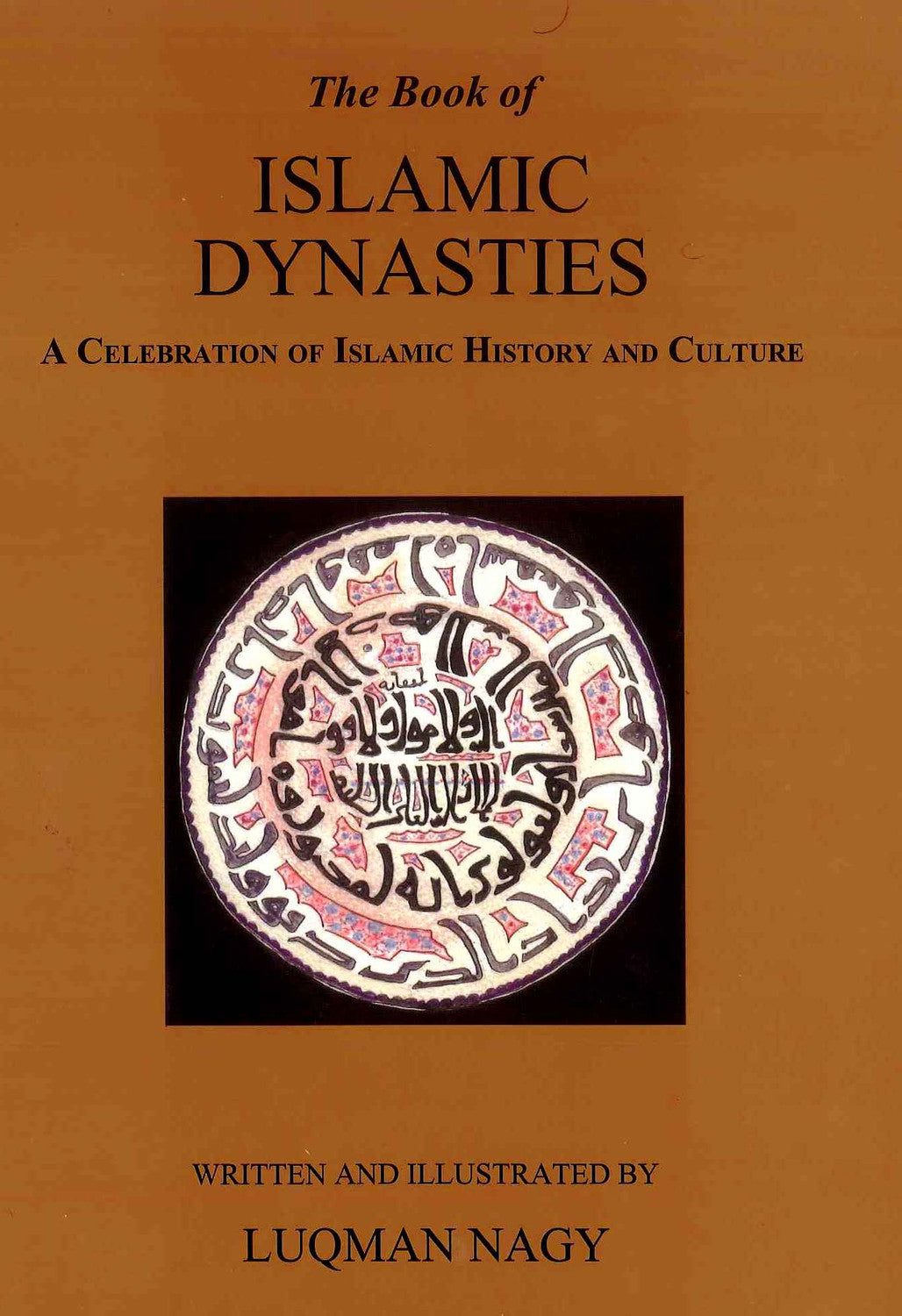
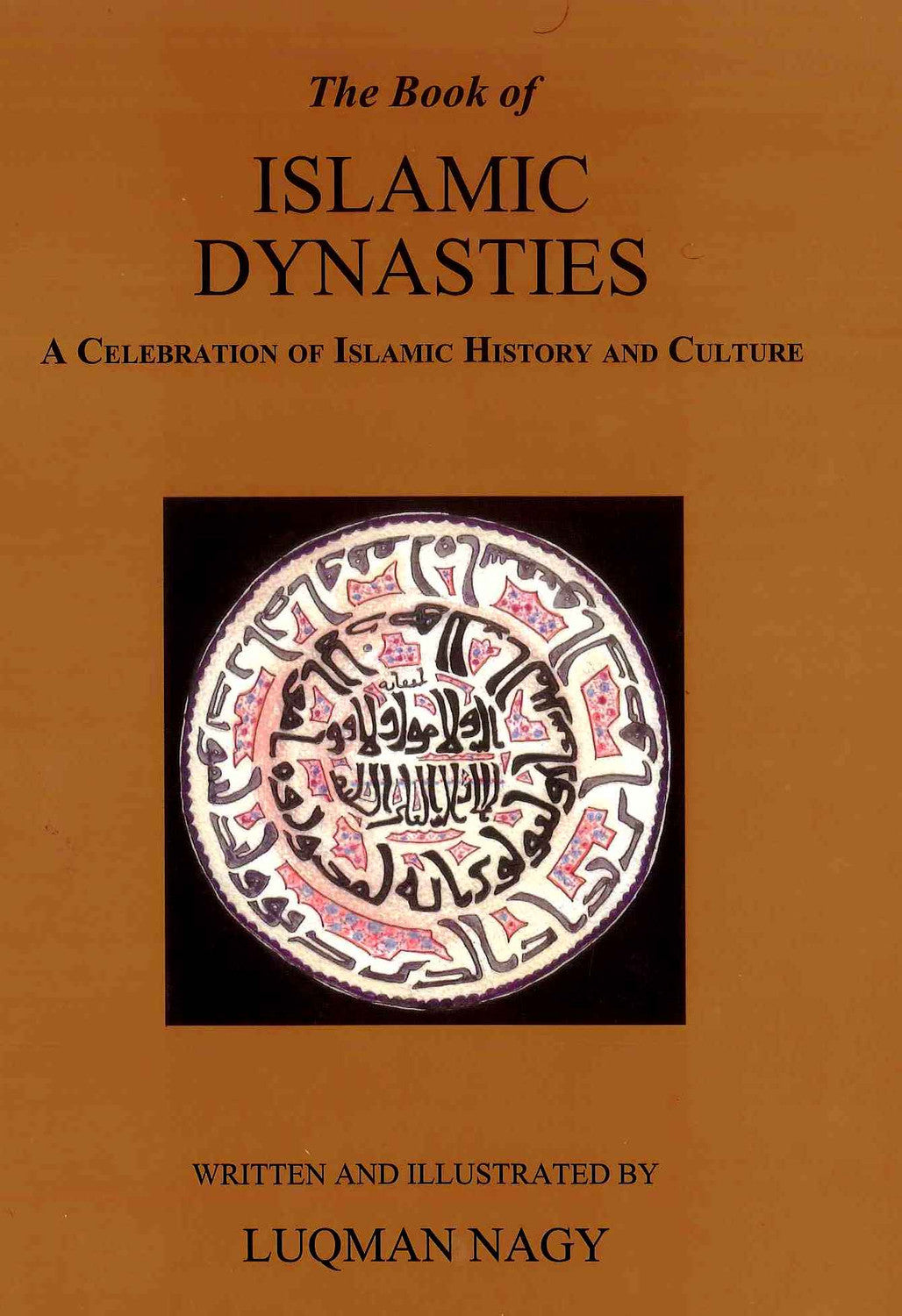
The Book of
ISLAMIC DYNASTIES
A CELEBRATION OF ISLAMIC HISTORY AND CULTURE
لميقانه اد مواد لادور
MANVED
WRITTEN AND ILLUSTRATED BY
LUQMAN NAGY
Page_02
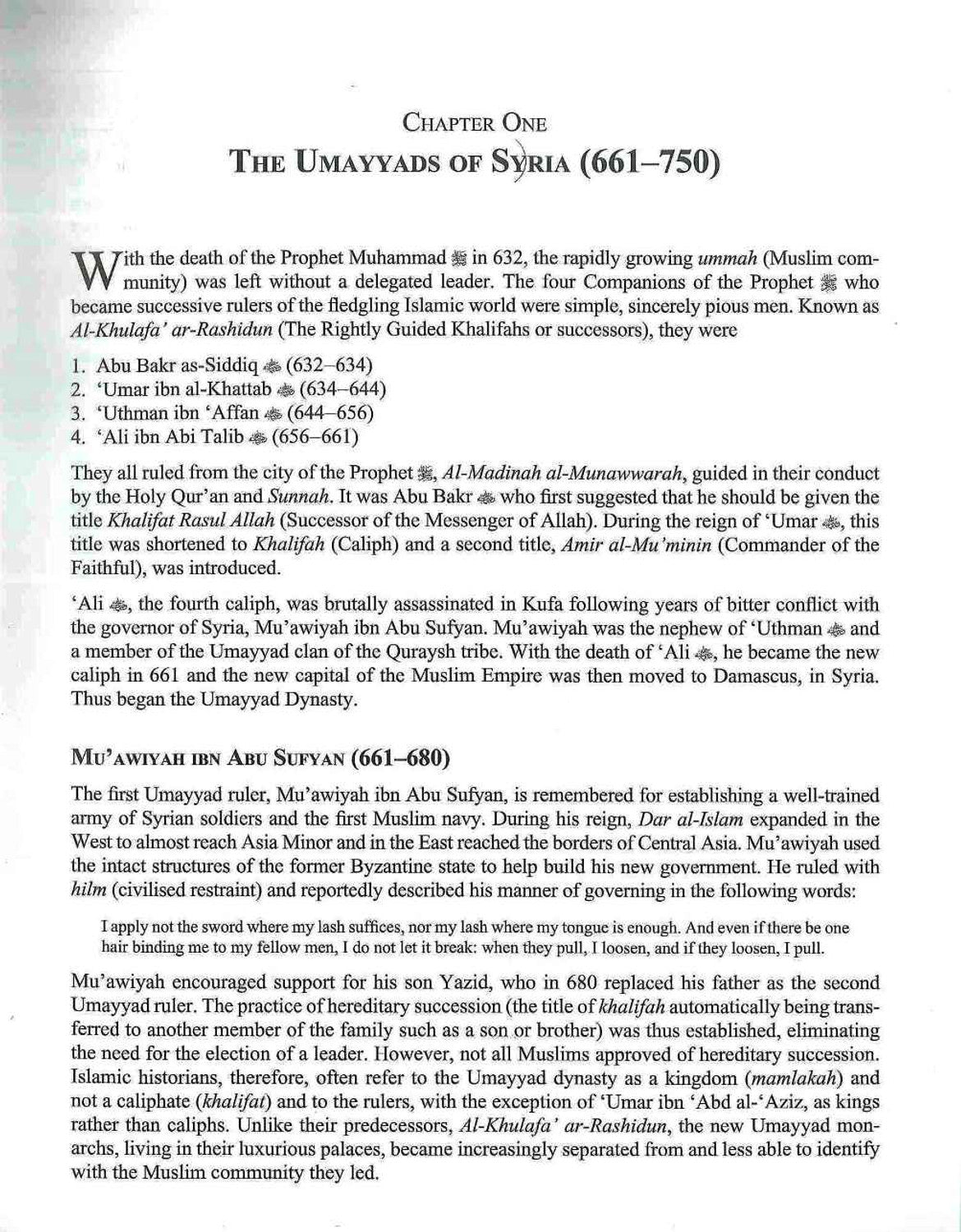
CHAPTER ONE
THE UMAYYADS OF SYRIA (661-750)
Tith the death of the Prophet Muhammad in 632, the rapidly growing ummah (Muslim com-
was left a leader. four of as
became successive rulers of the fledgling Islamic world were simple, sincerely pious men. Known as Al-Khulafa' ar-Rashidun (The Rightly Guided Khalifahs or successors), they were
1. Abu Bakr as-Siddiq (632-634)
2. 'Umar ibn al-Khattab
3. 'Uthman ibn 'Affan
(634-644) (644-656)
4. Ali ibn Abi Talib (656-661)
They all ruled from the city of the Prophet, Al-Madinah al-Munawwarah, guided in their conduct by the Holy Qur'an and Sunnah. It was Abu Bakr who first suggested that he should be given the title Khalifat Rasul Allah (Successor of the Messenger of Allah). During the reign of 'Umar, this title was shortened to Khalifah (Caliph) and a second title, Amir al-Mu'minin (Commander of the Faithful), was introduced.
'Ali, the fourth caliph, was brutally assassinated in Kufa following years of bitter conflict with the governor of Syria, Mu'awiyah ibn Abu Sufyan. Mu'awiyah was the nephew of 'Uthman and a member of the Umayyad clan of the Quraysh tribe. With the death of 'Ali, he became the new caliph in 661 and the new capital of the Muslim Empire was then moved to Damascus, in Syria. Thus began the Umayyad Dynasty.
MU'AWIYAH IBN ABU SUFYAN (661-680)
The first Umayyad ruler, Mu'awiyah ibn Abu Sufyan, is remembered for establishing a well-trained army of Syrian soldiers and the first Muslim navy. During his reign, Dar al-Islam expanded in the West to almost reach Asia Minor and in the East reached the borders of Central Asia. Mu'awiyah used the intact structures of the former Byzantine state to help build his new government. He ruled with hilm (civilised restraint) and reportedly described his manner of governing in the following words:
I apply not the sword where my lash suffices, nor my lash where my tongue is enough. And even if there be one hair binding me to my fellow men, I do not let it break: when they pull, I loosen, and if they loosen, I pull. Mu'awiyah encouraged support for his son Yazid, who in 680 replaced his father as the second Umayyad ruler. The practice of hereditary succession (the title of khalifah automatically being trans- ferred to another member of the family such as a son or brother) was thus established, eliminating the need for the election of a leader. However, not all Muslims approved of hereditary succession. Islamic historians, therefore, often refer to the Umayyad dynasty as a kingdom (mamlakah) and not a caliphate (khalifat) and to the rulers, with the exception of 'Umar ibn 'Abd al-'Aziz, as kings rather than caliphs. Unlike their predecessors, Al-Khulafa' ar-Rashidun, the new Umayyad mon- archs, living in their luxurious palaces, became increasingly separated from and less able to identify with the Muslim community they led.
Page:03
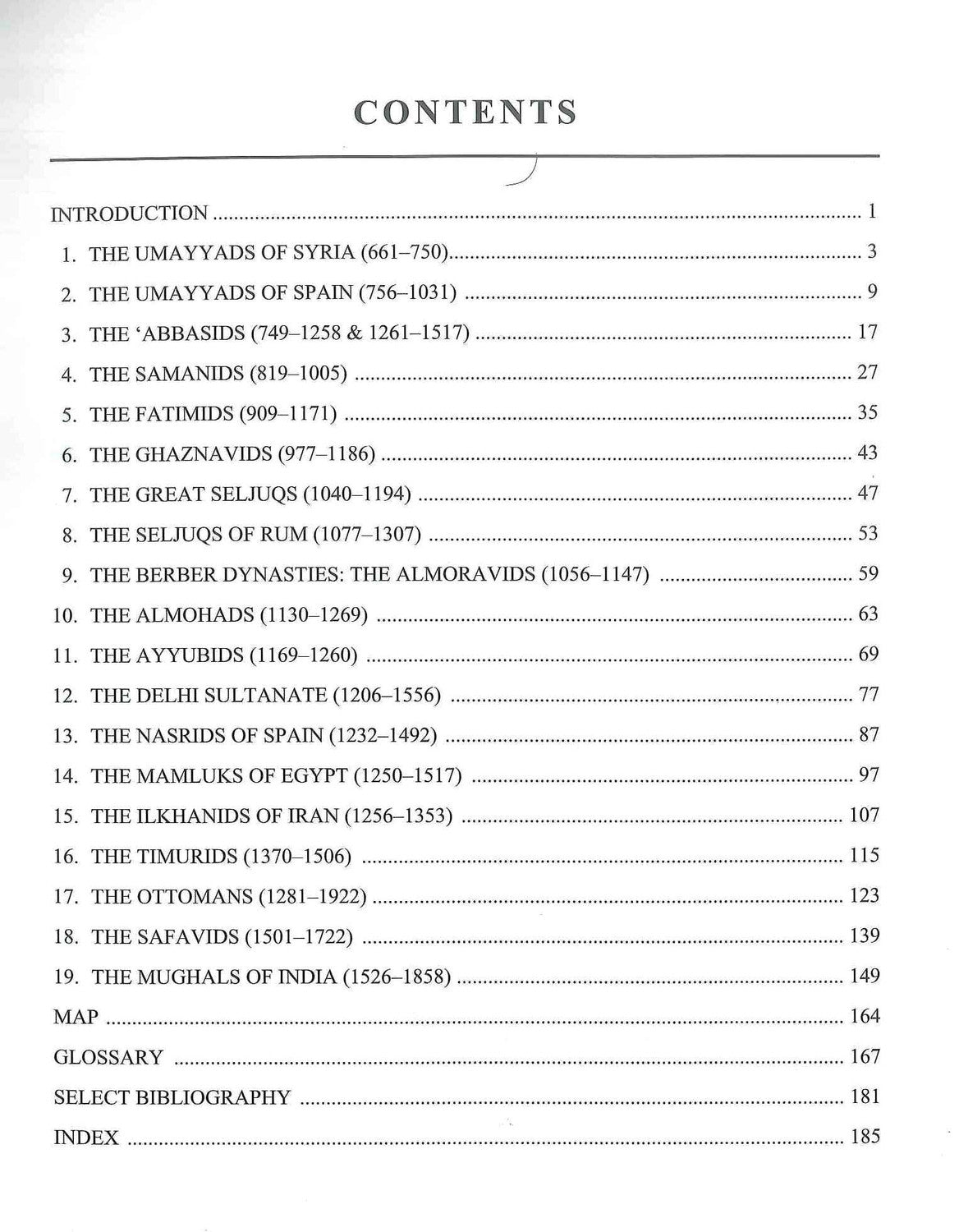
CONTENTS
INTRODUCTION
1. THE UMAYYADS OF SYRIA (661-750)..
2. THE UMAYYADS OF SPAIN (756-1031)
3. THE 'ABBASIDS (749-1258 & 1261-1517).
4. THE SAMANIDS (819-1005)
5. THE FATIMIDS (909-1171).
6. THE GHAZNAVIDS (977-1186).
7. THE GREAT SELJUQS (1040-1194)
8. THE SELJUQS OF RUM (1077-1307)
9. THE BERBER DYNASTIES: THE ALMORAVIDS (1056-1147)
10. THE ALMOHADS (1130-1269)
11. THE AYYUBIDS (1169-1260)
12. THE DELHI SULTANATE (1206-1556)
13. THE NASRIDS OF SPAIN (1232-1492)
14. THE MAMLUKS OF EGYPT (1250-1517) 15. THE ILKHANIDS OF IRAN (1256-1353) 16. THE TIMURIDS (1370-1506)
17. THE OTTOMANS (1281-1922)
18. THE SAFAVIDS (1501-1722)
19. THE MUGHALS OF INDIA (1526-1858)
MAP
GLOSSARY
SELECT BIBLIOGRAPHY
INDEX
من هو Luqman Nagy؟
Luqman Nagy is a seasoned scholar with a unique blend of Western education and deep Middle Eastern linguistic and cultural immersion. His rich travels and academic background lend depth and authenticity to his works on Islamic heritage.