

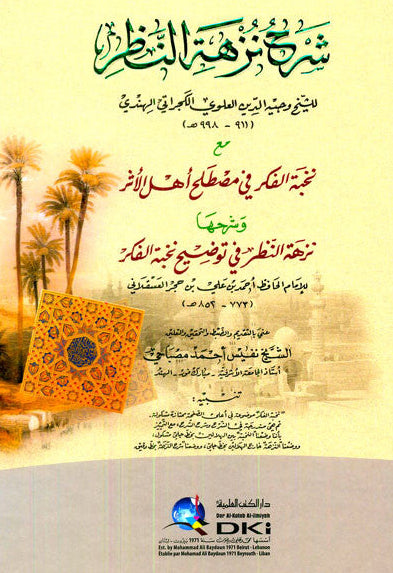
شرح نزهة النظر - مصطلحات الحديث العربية
شرح نزهة النظر - مصطلحات الحديث العربية
Publisher:
Dar Al-Kotob Al-Ilmiyah
Author:
وجيه الدين العلوي
,
الكجراتي الهندي
Language:
عربي
Binding:
غلاف مقوى
Pages: 320
Size: 17 × 24 سم
لم نتمكن من تحميل توفر الاستلام
محتوى قابل للطي
وصف كتاب إسلامي
شرح نزهة النظر في توضيح نخبة الفكر هو عمل عربي متميز في مجال علوم الحديث، يقدم شرحاً مفصلاً للمتن المشهور "نخبة الفكر" - الذي ألفه الإمام أحمد بن علي بن محمد ابن حجر العسقلاني (رحمه الله). يفك هذا الشرح المعتمد المفاهيم الأساسية لمصطلحات الحديث، بما في ذلك التصنيفات (مثل الصحيح، الحسن، الضعيف)، والرواة، وسلاسل الإسناد، والتعريفات التقنية ذات الصلة، مما يساعد الطلاب على سد الفجوة بين النصوص التمهيدية والإتقان الأعمق لعلم الحديث. يدمج الشرح التراث العلمي الكلاسيكي مع أمثلة وتوضيحات واسعة، مما يجعله ذا قيمة لا تقدر بثمن لطلاب الحديث الجادين والمدرسين والباحثين الذين يسعون إلى تأسيس قوي في المنهجية والمبادئ التي تحكم تقييم وتصنيف الروايات النبوية.
من المؤلف:
العمل الأساسي "نزهة النظر في توضيح نخبة الفكر" ألفه الإمام أحمد بن علي بن محمد ابن حجر العسقلاني (رحمه الله) — أحد أعظم علماء الحديث والعلوم الإسلامية، والذي اشتهر ببراعته في نقد الحديث والمنهج الفقهي. الباحثون اللاحقون، بما في ذلك علماء مثل الشيخ محمد بن صالح العثيمين، بنوا على نص ابن حجر الأساسي لزيادة توضيح وتوسيع تعاليمه للمتعلمين المعاصرين.
الناشر
Dar Al-Kotob Al-Ilmiyah
مؤلف
- وجيه الدين العلوي
- الكجراتي الهندي
الشحن والتوصيل
نقوم بشحن الطلبات مباشرة من مستودعاتنا في المملكة المتحدة والولايات المتحدة الأمريكية، ونقدم خيارات شحن متعددة لتناسب احتياجاتك. نحن نشحن بفخر إلى جميع أنحاء العالم.
عمليات التسليم في المملكة المتحدة (من مستودع المملكة المتحدة):
يصل الشحن القياسي عادةً في غضون 3-4 أيام عمل. يستغرق التسليم السريع 2-3 أيام عمل. نهدف إلى شحن الطلبات في نفس اليوم أو يوم العمل التالي، مع توفر خيارات التوصيل في اليوم التالي حيثما ينطبق ذلك.
عمليات التسليم في الولايات المتحدة الأمريكية (من مستودع الولايات المتحدة الأمريكية):
تصل الطلبات عادةً في غضون 4-7 أيام عمل.
أوروبا (يتم الشحن من المملكة المتحدة):
يستغرق التسليم القياسي حوالي 6-10 أيام عمل، مع توفر خدمات الشحن السريع في غضون 3-5 أيام عمل.
كندا:
الوقت المقدر للتسليم هو 5-10 أيام عمل.
الشحن في جميع أنحاء العالم:
تصل الطلبات الدولية بشكل عام في غضون 5-20 يوم عمل، اعتمادًا على الوجهة وطريقة الشحن المختارة.
للحصول على جداول زمنية دقيقة للتسليم بناءً على موقعك، يرجى الاتصال بنا عبر البريد الإلكتروني وسيقدم فريقنا معلومات مفصلة ومخصصة لعنوانك.
صفحات العينة - المحتوى
من هو wjyh aldyn al’alwy؟
Sharh Nuzhat al-Nazar draws out the depth and precision of Ibn Hajar’s hadith science primer with methodical explanations and contextual elaboration, making the intricate terminology accessible to dedicated students and scholars. By breaking down key definitions, classifications, and methodological principles alongside authentic examples, this commentary supports readers in navigating the framework of hadith criticism and understanding how classical scholars approached the validation and categorization of prophetic narrations.