


"أصول الشرك الأربعة لمحمد بن عبد الوهاب: التوحيد والعقيدة"
"أصول الشرك الأربعة لمحمد بن عبد الوهاب: التوحيد والعقيدة"
Publisher:
Al Hidaayah Publishing
Author:
ياسر القاضي
Language:
إنجليزي
Binding:
غلاف مقوى
Pages: 60
Size: 18 × 25 سم
لم نتمكن من تحميل توفر الاستلام
محتوى قابل للطي
وصف كتاب إسلامي
كتاب "شرح القواعد الأربع في الشرك" للشيخ محمد بن عبد الوهاب هو دليل واضح لفهم التوحيد وتجنب الشرك في الإسلام. يُعد هذا العمل الجوهري في العقيدة الإسلامية مرجعاً أساسياً يوضح الأسس والمبادئ الجوهرية للعبادة، مما يجعله مصدراً قيّماً لطلبة العقيدة والباحثين عن المعرفة الإسلامية الصحيحة.
عن المؤلف:
الشيخ محمد بن عبد الوهاب كان عالماً ومصلحاً إسلامياً بارزاً في القرن الثامن عشر. عُرف بتركيزه الشديد على التوحيد والتحذير من الشرك، ولا تزال مؤلفاته في العقيدة تحظى بتأثير كبير بين طلبة العلم في جميع أنحاء العالم.
المحتوى:
فهم حقيقة الشرك
يعرض الكتاب الشرك باعتباره من أعظم الذنوب، ويؤكد على أهمية تعلم حقيقته ليتسنى للمسلمين معرفته وتجنب الوقوع فيه، سواء عن علم أو جهل.
القواعد الأربع
من خلال شرح واضح للقواعد الأربع لمحمد بن عبد الوهاب، يحلل المؤلف الأسباب الكامنة وراء الشرك ويوضح الفروقات الجوهرية بين التوحيد والشرك.
مفاتيح السعادة
تُسلط المقدمة الضوء على ثلاث خصال تقود إلى السعادة: الشكر عند النعمة، والصبر عند البلاء، والاستغفار عند الذنب.
شرح من أهل العلم
يعتمد الشرح على مؤلفات كوكبة من العلماء، منهم الشيخ عبد الله بن جبرين والشيخ صالح آل الشيخ وغيرهم، مما يُضفي سياقاً علمياً إضافياً على الرسالة الأصلية.
توجيه إسلامي عملي
بأسلوب يسهل الوصول إليه، يساعد هذا العمل الموجز القراء على تعزيز فهمهم للتوحيد، وتحديد مخاطر الشرك، وحماية أنفسهم من أحد أعظم الأخطار الروحية.
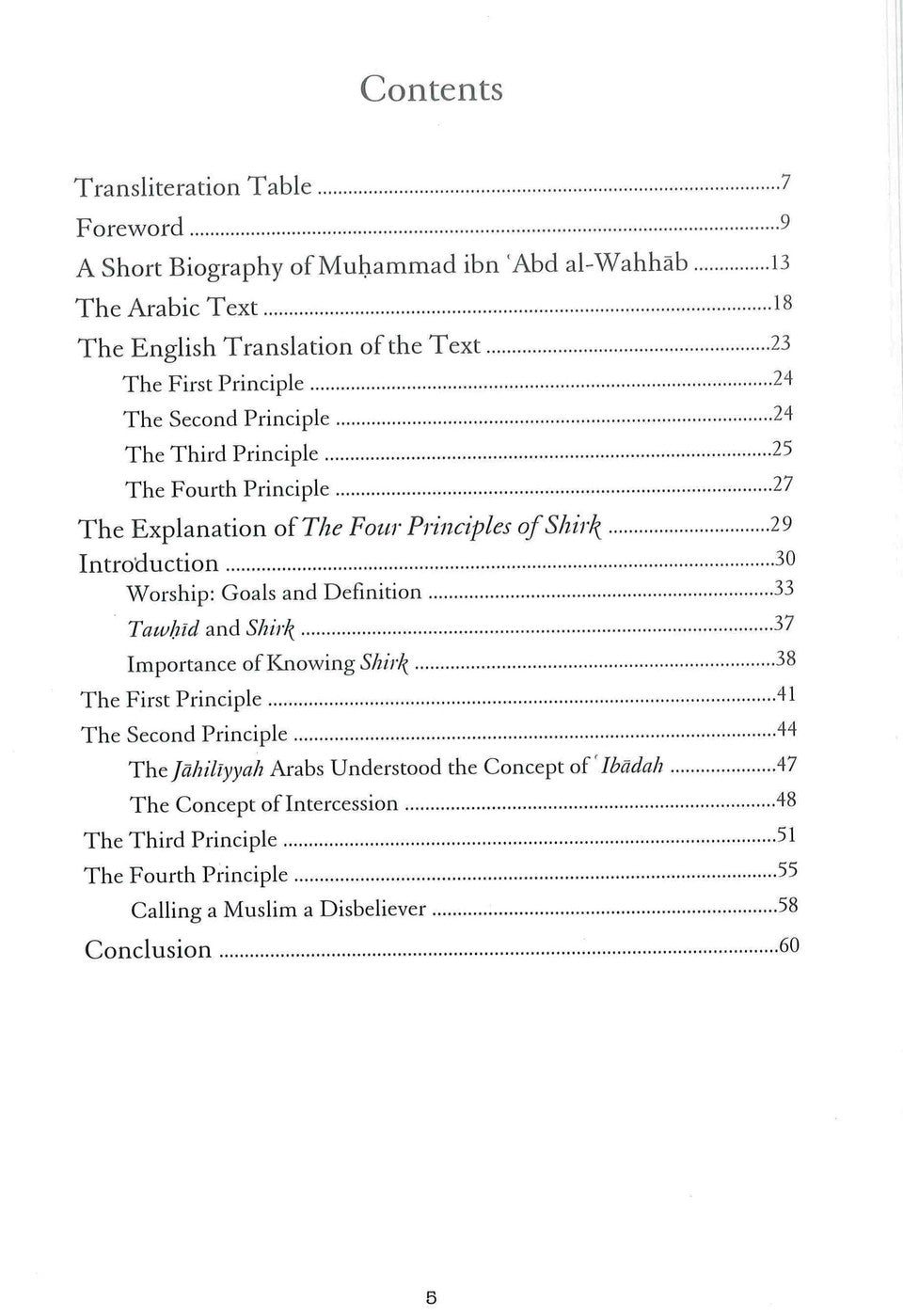
Page:01
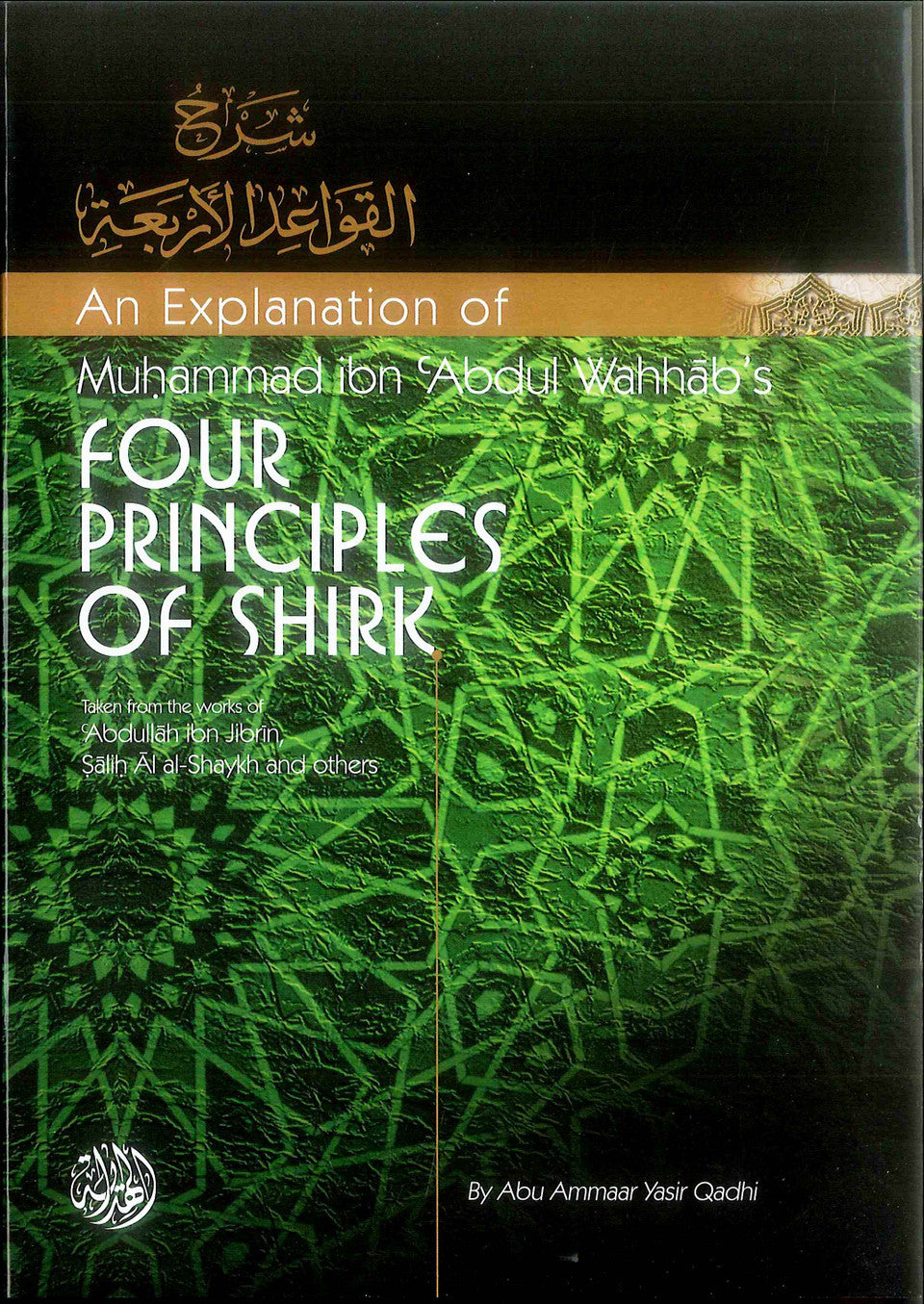
شراح القواعد الأربع
شرح القواعد الأربع لمحمد بن عبد الوهاب
مستفاد من مؤلفات عبد الله بن جبرين، وصالح آل الشيخ وغيرهما
بقلم: أبو عمار ياسر قاضي
Page:02
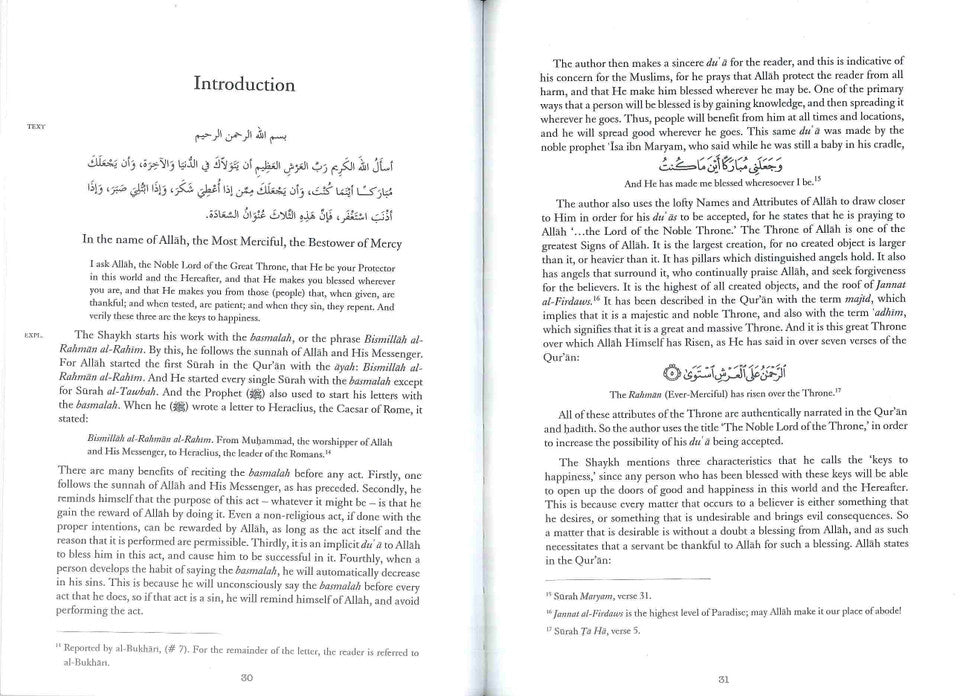
مقدمة
بسم الله الرحمن الرحيم
أسأَلُ اللهَ الكَرِيم رَبَّ العَرْشِ العَظِيمِ أَن يَتَوَلاكَ فِي الدُّنْيَا وَالْآخِرَةِ، وَأَن يَجْعَلَكَ مُبَارَكًا أَيْنَمَا كُنْتَ، وَأَن يَجْعَلَكَ مِمَّن إذا أُعْطِيَ شَكَرَ، وَإِذَا ابْتُلِيَ صَبَرَ، وَإِذَا أَذْنَبَ اسْتَغْفَر فَإِنَّ هَذِهِ الثَّلاثَ عُنْوَانُ السَّعَادَة.
يبدأ الشيخ عمله بالبسملة، أي قول: "بسم الله الرحمن الرحيم"، وبذلك فهو يتبع سنة الله ورسوله؛ فالله افتتح أول سورة في القرآن بآية: {بِسْمِ اللَّهِ الرَّحْمَنِ الرَّحِيمِ}، وافتتح كل سورة بالبسملة باستثناء سورة التوبة. كما كان النبي ﷺ يبدأ رسائله بالبسملة، فحينما كتب رسالة إلى هرقل عظيم الروم، جاء فيها:
"بسم الله الرحمن الرحيم. من محمد عبد الله ورسوله إلى هرقل عظيم الروم".(14)
إن لقراءة البسملة قبل أي عمل فوائد عديدة. أولاً: اتباع سنة الله ورسوله كما تقدم. ثانيًا: تذكير المرء بأن الغاية من هذا العمل -أياً كان- هي نيل ثواب الله من خلاله؛ فحتى العمل الدنيوي المباح يمكن أن يُثاب عليه المسلم إذا أتى به بنية صالحة، ما دام العمل نفسه وسبب القيام به مباحًا. ثالثًا: إنها دعاء ضمني إلى الله بأن يبارك له في هذا العمل ويوفقه فيه. رابعًا: عندما يعتاد الشخص على قول البسملة، فإنه سيقلل تلقائيًا من ذنوبه، لأنه سيقول البسملة لا شعوريًا قبل كل عمل يقوم به، فإذا كان ذلك العمل ذنبًا، فإنه سيُذكّر نفسه بالله ويتجنب القيام به.
(14) رواه البخاري (رقم 7). ولمعرفة بقية الرسالة، يرجع القارئ إلى صحيح البخاري.
ثم يوجه المؤلف دعاءً صادقًا للقارئ، وهذا يدل على حرصه على المسلمين، إذ يدعو الله أن يحفظ القارئ من كل سوء، وأن يجعله مباركًا أينما كان. ومن أهم طرق نيل البركة هو طلب العلم ثم نشره أينما ذهب المرء، فينتفع الناس به في كل زمان ومكان، وينشر الخير حيثما حل. وهذا هو نفس الدعاء الذي دعا به نبي الله عيسى بن مريم عليه السلام، حين قال وهو لا يزال طفلاً في المهد:
{وَجَعَلَنِي مُبَارَكًا أَيْنَ مَا كُنتُ} (15)
كما يستخدم المؤلف أسماء الله وصفاته العلى للتقرب إليه حتى يُستجاب دعاؤه، إذ يذكر أنه يدعو الله "...رب العرش العظيم". وعرش الله هو من أعظم آيات الله؛ فهو أكبر المخلوقات، فلا يوجد شيء مخلوق أكبر منه ولا أثقل منه. وله قوائم تحملها ملائكة كرام، وتحيط به ملائكة يسبحون الله ويستغفرون للذين آمنوا. وهو أعلى المخلوقات وسقف جنة الفردوس(16). وقد وُصف في القرآن بوصف "مجيد" مما يدل على أنه عرش كريم، وبوصف "عظيم" مما يدل على ضخامته وكبره. وهو العرش العظيم الذي استوى عليه الله عز وجل، كما قال في أكثر من سبع آيات من القرآن:
{الرَّحْمَنُ عَلَى الْعَرْشِ اسْتَوَى} (17)
كل هذه الصفات للعرش وردت بإسناد صحيح في القرآن والسنة، لذا يستخدم المؤلف لقب "رب العرش العظيم" لزيادة احتمالية استجابة دعائه.
يذكر الشيخ ثلاث خصال يسميها "عنوان السعادة"، فمن رزقه الله هذه الخصال فقد فُتحت له أبواب الخير والسعادة في الدنيا والآخرة؛ لأن كل ما يقع للمؤمن إما أن يكون شيئًا يحبه، أو شيئًا يكرهه ويجلب عواقب وخيمة. فإذا كان الأمر محبوبًا، فهو بلا شك نعمة من الله، وهذا يستوجب من العبد أن يشكر الله على هذه النعمة. يقول الله في القرآن:
(15) سورة مريم، آية 31.
(16) جنة الفردوس هي أعلى درجات الجنة؛ جعلنا الله من سكانها! (17) سورة طه، آية 5.
Page:03
شرح القواعد الأربع
شرح القواعد الأربع لمحمد بن عبد الوهاب
مستفاد من مؤلفات عبد الله بن جبرين، وصالح آل الشيخ وغيرهما
بقلم: أبو عمار ياسر قاضي
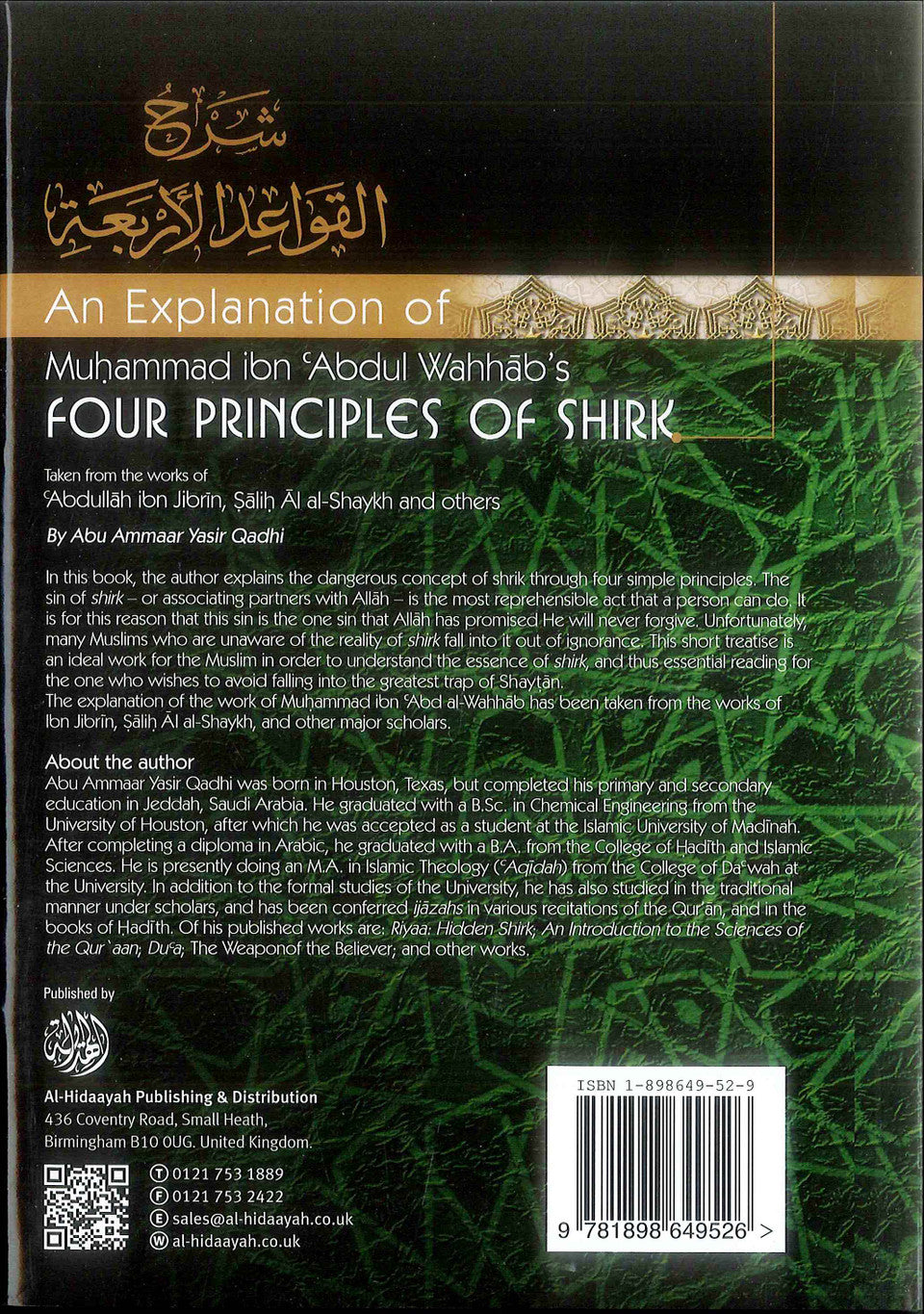
في هذا الكتاب، يشرح المؤلف مفهوم الشرك الخطير من خلال أربع قواعد بسيطة. إن ذنب الشرك -أو اتخاذ أنداد مع الله- هو أقبح عمل يمكن أن يقوم به الإنسان، ولهذا السبب هو الذنب الوحيد الذي وعد الله بأنه لن يغفره. وللأسف، يقع فيه الكثير من المسلمين غير المدركين لحقيقة الشرك بسبب الجهل. هذا الكتيب هو عمل مثالي للمسلم ليفهم جوهر الشرك، ولذا فهو قراءة أساسية لمن يرغب في تجنب الوقوع في أكبر مصائد الشيطان.
وقد استُخلص شرح مؤلف محمد بن عبد الوهاب من مؤلفات ابن جبرين، وصالح آل الشيخ، وغيرهم من كبار العلماء.
عن المؤلف
وُلد أبو عمار ياسر قاضي في هيوستن بولاية تكساس، لكنه أتم تعليمه الابتدائي والثانوي في جدة بالمملكة العربية السعودية. حصل على بكالوريوس في الهندسة الكيميائية من جامعة هيوستن، وبعدها قُبل طالباً في الجامعة الإسلامية بالمدينة المنورة. وبعد إتمام دبلوم اللغة العربية، تخرج بدرجة البكالوريوس من كلية الحديث والدراسات الإسلامية. وهو حالياً يكمل درجة الماجستير في العقيدة الإسلامية من كلية الدعوة بالجامعة. بالإضافة إلى دراساته الأكاديمية الرسمية، درس أيضاً بالطريقة التقليدية على يد العلماء، وحصل على إجازات في قراءات مختلفة للقرآن وفي كتب الحديث. ومن مؤلفاته المنشورة: "الرياء: الشرك الخفي"، "مدخل إلى علوم القرآن"، "الدعاء: سلاح المؤمن"، وغيرها من الأعمال.
الناشر
Al Hidaayah Publishing
مؤلف
- ياسر القاضي
الشحن والتوصيل
نقوم بشحن الطلبات مباشرة من مستودعاتنا في المملكة المتحدة والولايات المتحدة الأمريكية، ونقدم خيارات شحن متعددة لتناسب احتياجاتك. نحن نشحن بفخر إلى جميع أنحاء العالم.
عمليات التسليم في المملكة المتحدة (من مستودع المملكة المتحدة):
يصل الشحن القياسي عادةً في غضون 3-4 أيام عمل. يستغرق التسليم السريع 2-3 أيام عمل. نهدف إلى شحن الطلبات في نفس اليوم أو يوم العمل التالي، مع توفر خيارات التوصيل في اليوم التالي حيثما ينطبق ذلك.
عمليات التسليم في الولايات المتحدة الأمريكية (من مستودع الولايات المتحدة الأمريكية):
تصل الطلبات عادةً في غضون 4-7 أيام عمل.
أوروبا (يتم الشحن من المملكة المتحدة):
يستغرق التسليم القياسي حوالي 6-10 أيام عمل، مع توفر خدمات الشحن السريع في غضون 3-5 أيام عمل.
كندا:
الوقت المقدر للتسليم هو 5-10 أيام عمل.
الشحن في جميع أنحاء العالم:
تصل الطلبات الدولية بشكل عام في غضون 5-20 يوم عمل، اعتمادًا على الوجهة وطريقة الشحن المختارة.
للحصول على جداول زمنية دقيقة للتسليم بناءً على موقعك، يرجى الاتصال بنا عبر البريد الإلكتروني وسيقدم فريقنا معلومات مفصلة ومخصصة لعنوانك.
صفحات العينة - المحتوى
Page:01
شراح القواعد الأربع
شرح القواعد الأربع لمحمد بن عبد الوهاب
مستفاد من مؤلفات عبد الله بن جبرين، وصالح آل الشيخ وغيرهما
بقلم: أبو عمار ياسر قاضي
Page:02
مقدمة
بسم الله الرحمن الرحيم
أسأَلُ اللهَ الكَرِيم رَبَّ العَرْشِ العَظِيمِ أَن يَتَوَلاكَ فِي الدُّنْيَا وَالْآخِرَةِ، وَأَن يَجْعَلَكَ مُبَارَكًا أَيْنَمَا كُنْتَ، وَأَن يَجْعَلَكَ مِمَّن إذا أُعْطِيَ شَكَرَ، وَإِذَا ابْتُلِيَ صَبَرَ، وَإِذَا أَذْنَبَ اسْتَغْفَر فَإِنَّ هَذِهِ الثَّلاثَ عُنْوَانُ السَّعَادَة.
يبدأ الشيخ عمله بالبسملة، أي قول: "بسم الله الرحمن الرحيم"، وبذلك فهو يتبع سنة الله ورسوله؛ فالله افتتح أول سورة في القرآن بآية: {بِسْمِ اللَّهِ الرَّحْمَنِ الرَّحِيمِ}، وافتتح كل سورة بالبسملة باستثناء سورة التوبة. كما كان النبي ﷺ يبدأ رسائله بالبسملة، فحينما كتب رسالة إلى هرقل عظيم الروم، جاء فيها:
"بسم الله الرحمن الرحيم. من محمد عبد الله ورسوله إلى هرقل عظيم الروم".(14)
إن لقراءة البسملة قبل أي عمل فوائد عديدة. أولاً: اتباع سنة الله ورسوله كما تقدم. ثانيًا: تذكير المرء بأن الغاية من هذا العمل -أياً كان- هي نيل ثواب الله من خلاله؛ فحتى العمل الدنيوي المباح يمكن أن يُثاب عليه المسلم إذا أتى به بنية صالحة، ما دام العمل نفسه وسبب القيام به مباحًا. ثالثًا: إنها دعاء ضمني إلى الله بأن يبارك له في هذا العمل ويوفقه فيه. رابعًا: عندما يعتاد الشخص على قول البسملة، فإنه سيقلل تلقائيًا من ذنوبه، لأنه سيقول البسملة لا شعوريًا قبل كل عمل يقوم به، فإذا كان ذلك العمل ذنبًا، فإنه سيُذكّر نفسه بالله ويتجنب القيام به.
(14) رواه البخاري (رقم 7). ولمعرفة بقية الرسالة، يرجع القارئ إلى صحيح البخاري.
ثم يوجه المؤلف دعاءً صادقًا للقارئ، وهذا يدل على حرصه على المسلمين، إذ يدعو الله أن يحفظ القارئ من كل سوء، وأن يجعله مباركًا أينما كان. ومن أهم طرق نيل البركة هو طلب العلم ثم نشره أينما ذهب المرء، فينتفع الناس به في كل زمان ومكان، وينشر الخير حيثما حل. وهذا هو نفس الدعاء الذي دعا به نبي الله عيسى بن مريم عليه السلام، حين قال وهو لا يزال طفلاً في المهد:
{وَجَعَلَنِي مُبَارَكًا أَيْنَ مَا كُنتُ} (15)
كما يستخدم المؤلف أسماء الله وصفاته العلى للتقرب إليه حتى يُستجاب دعاؤه، إذ يذكر أنه يدعو الله "...رب العرش العظيم". وعرش الله هو من أعظم آيات الله؛ فهو أكبر المخلوقات، فلا يوجد شيء مخلوق أكبر منه ولا أثقل منه. وله قوائم تحملها ملائكة كرام، وتحيط به ملائكة يسبحون الله ويستغفرون للذين آمنوا. وهو أعلى المخلوقات وسقف جنة الفردوس(16). وقد وُصف في القرآن بوصف "مجيد" مما يدل على أنه عرش كريم، وبوصف "عظيم" مما يدل على ضخامته وكبره. وهو العرش العظيم الذي استوى عليه الله عز وجل، كما قال في أكثر من سبع آيات من القرآن:
{الرَّحْمَنُ عَلَى الْعَرْشِ اسْتَوَى} (17)
كل هذه الصفات للعرش وردت بإسناد صحيح في القرآن والسنة، لذا يستخدم المؤلف لقب "رب العرش العظيم" لزيادة احتمالية استجابة دعائه.
يذكر الشيخ ثلاث خصال يسميها "عنوان السعادة"، فمن رزقه الله هذه الخصال فقد فُتحت له أبواب الخير والسعادة في الدنيا والآخرة؛ لأن كل ما يقع للمؤمن إما أن يكون شيئًا يحبه، أو شيئًا يكرهه ويجلب عواقب وخيمة. فإذا كان الأمر محبوبًا، فهو بلا شك نعمة من الله، وهذا يستوجب من العبد أن يشكر الله على هذه النعمة. يقول الله في القرآن:
(15) سورة مريم، آية 31.
(16) جنة الفردوس هي أعلى درجات الجنة؛ جعلنا الله من سكانها! (17) سورة طه، آية 5.
Page:03
شرح القواعد الأربع
شرح القواعد الأربع لمحمد بن عبد الوهاب
مستفاد من مؤلفات عبد الله بن جبرين، وصالح آل الشيخ وغيرهما
بقلم: أبو عمار ياسر قاضي
في هذا الكتاب، يشرح المؤلف مفهوم الشرك الخطير من خلال أربع قواعد بسيطة. إن ذنب الشرك -أو اتخاذ أنداد مع الله- هو أقبح عمل يمكن أن يقوم به الإنسان، ولهذا السبب هو الذنب الوحيد الذي وعد الله بأنه لن يغفره. وللأسف، يقع فيه الكثير من المسلمين غير المدركين لحقيقة الشرك بسبب الجهل. هذا الكتيب هو عمل مثالي للمسلم ليفهم جوهر الشرك، ولذا فهو قراءة أساسية لمن يرغب في تجنب الوقوع في أكبر مصائد الشيطان.
وقد استُخلص شرح مؤلف محمد بن عبد الوهاب من مؤلفات ابن جبرين، وصالح آل الشيخ، وغيرهم من كبار العلماء.
عن المؤلف
وُلد أبو عمار ياسر قاضي في هيوستن بولاية تكساس، لكنه أتم تعليمه الابتدائي والثانوي في جدة بالمملكة العربية السعودية. حصل على بكالوريوس في الهندسة الكيميائية من جامعة هيوستن، وبعدها قُبل طالباً في الجامعة الإسلامية بالمدينة المنورة. وبعد إتمام دبلوم اللغة العربية، تخرج بدرجة البكالوريوس من كلية الحديث والدراسات الإسلامية. وهو حالياً يكمل درجة الماجستير في العقيدة الإسلامية من كلية الدعوة بالجامعة. بالإضافة إلى دراساته الأكاديمية الرسمية، درس أيضاً بالطريقة التقليدية على يد العلماء، وحصل على إجازات في قراءات مختلفة للقرآن وفي كتب الحديث. ومن مؤلفاته المنشورة: "الرياء: الشرك الخفي"، "مدخل إلى علوم القرآن"، "الدعاء: سلاح المؤمن"، وغيرها من الأعمال.
من هو Yasir Qadhi؟
Shaykh Muhammad ibn Abd al-Wahhab was an 18th-century Islamic scholar known for reviving Tawheed and clarifying the dangers of shirk in Islam.