


فقه تعدد الزوجات: الفقه الإسلامي في الزواج والمعاملة العادلة للشيخ محمد بن صالح
فقه تعدد الزوجات: الفقه الإسلامي في الزواج والمعاملة العادلة للشيخ محمد بن صالح
Publisher:
Maktabatulirshad Publications
Author:
الشيخ محمد بن صالح
Language:
إنجليزي
Binding:
غلاف مقوى
Pages: 326
Size: 15.24 × 2.57 × 22.86 سم
لم نتمكن من تحميل توفر الاستلام

محتوى قابل للطي
وصف كتاب إسلامي
فقه تعدد الزوجات: الفقه الإسلامي في الزواج والمعاملة العادلة للشيخ محمد بن صالح
فقه تعدد الزوجات هو دليل فقهي إسلامي شامل يغطي تعدد الزوجات، والسلوك الزوجي، وشروط المعاملة العادلة في الزواج المتعدد كما هو موضح في القرآن والسنة. يقدم الكتاب رؤى فقهية كلاسيكية حول العدل والحقوق والمسؤوليات في زيجات تعدد الزوجات، مما يجعله مرجعًا قيمًا للطلاب والباحثين وأي شخص يبحث عن منظور قانوني إسلامي أصيل.
من المؤلف:
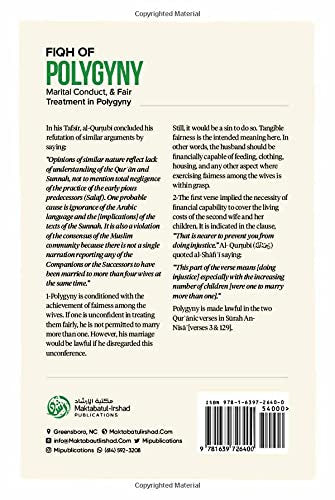
في تفسيره، اختتم القرطبي رده على حجج مماثلة بقوله:
"إن الآراء المماثلة تعكس عدم فهم للقرآن والسنة، ناهيك عن الإهمال التام لممارسات السلف الصالح. أحد الأسباب المحتملة هو الجهل باللغة العربية و[دلالات] نصوص السنة. وهو أيضًا انتهاك لإجماع الأمة الإسلامية لأنه لا يوجد حديث واحد يروي أن أحد الصحابة أو التابعين قد تزوج أكثر من أربع زوجات في نفس الوقت."
- يشترط في تعدد الزوجات تحقيق العدل بين الزوجات. فإذا لم يثق الرجل في قدرته على معاملتهن بالعدل، فلا يجوز له الزواج بأكثر من واحدة. ومع ذلك، يكون زواجه صحيحًا إذا تجاهل هذا عدم الثقة. لكن ذلك يُعتبر إثمًا. والمقصود هنا هو العدل الملموس. بمعنى آخر، يجب أن يكون الزوج قادرًا ماليًا على توفير الطعام واللباس والسكن، وأي جانب آخر يمكن فيه ممارسة العدل بين الزوجات.
- تضمنت الآية الأولى ضرورة القدرة المالية لتغطية تكاليف معيشة الزوجة الثانية وأولادها. ويدل على ذلك قوله تعالى: "ذلك أدنى ألا تعولوا". ونقل القرطبي عن الشافعي قوله:
"هذا الجزء من الآية يعني [الظلم] خاصة مع زيادة عدد الأطفال [لو تزوج الرجل بأكثر من واحدة]."
أباح الله تعدد الزوجات في الآيتين القرآنيتين في سورة النساء [الآيتان 3 و 129].
الناشر
Maktabatulirshad Publications
مؤلف
- الشيخ محمد بن صالح
الشحن والتوصيل
نقوم بشحن الطلبات مباشرة من مستودعاتنا في المملكة المتحدة والولايات المتحدة الأمريكية، ونقدم خيارات شحن متعددة لتناسب احتياجاتك. نحن نشحن بفخر إلى جميع أنحاء العالم.
عمليات التسليم في المملكة المتحدة (من مستودع المملكة المتحدة):
يصل الشحن القياسي عادةً في غضون 3-4 أيام عمل. يستغرق التسليم السريع 2-3 أيام عمل. نهدف إلى شحن الطلبات في نفس اليوم أو يوم العمل التالي، مع توفر خيارات التوصيل في اليوم التالي حيثما ينطبق ذلك.
عمليات التسليم في الولايات المتحدة الأمريكية (من مستودع الولايات المتحدة الأمريكية):
تصل الطلبات عادةً في غضون 4-7 أيام عمل.
أوروبا (يتم الشحن من المملكة المتحدة):
يستغرق التسليم القياسي حوالي 6-10 أيام عمل، مع توفر خدمات الشحن السريع في غضون 3-5 أيام عمل.
كندا:
الوقت المقدر للتسليم هو 5-10 أيام عمل.
الشحن في جميع أنحاء العالم:
تصل الطلبات الدولية بشكل عام في غضون 5-20 يوم عمل، اعتمادًا على الوجهة وطريقة الشحن المختارة.
للحصول على جداول زمنية دقيقة للتسليم بناءً على موقعك، يرجى الاتصال بنا عبر البريد الإلكتروني وسيقدم فريقنا معلومات مفصلة ومخصصة لعنوانك.
صفحات العينة - المحتوى
من هو Shaykh Muhammad Bin Salih؟
Shaykh Muhammad Bin Salih’s purpose in this work is to present Islamic marital rulings and guidance in a clear, evidence-based manner rooted in prophetic tradition. It aims to help Muslims understand how marital life should be approached and lived according to the Qur’an and authentic sunnah, emphasizing correct intentions and mutual rights and responsibilities within marriage.