


شرح كتاب كشف الشبهات لمحمد بن عبد الوهاب | دراسة الشرك في الإسلام
شرح كتاب كشف الشبهات لمحمد بن عبد الوهاب | دراسة الشرك في الإسلام
Publisher:
Al Hidaayah Publishing
Author:
أبو عمار ياسر القاضي
Language:
إنجليزي
Binding:
غلاف مقوى
Pages: 210
Size: 18 × 25 سم
لم نتمكن من تحميل توفر الاستلام
محتوى قابل للطي
وصف كتاب إسلامي
كتاب "شرح كشف الشبهات" لمحمد بن عبد الوهاب هو دراسة نقدية للشرك في الإسلام وأسس التوحيد. يوضح هذا العمل الهام في العقيدة الإسلامية المفاهيم الخاطئة حول العبادة والتوحيد، مما يجعله مرجعاً أساسياً لطلاب العقيدة والباحثين عن المعرفة الإسلامية الأصيلة.
عن المؤلف:
الشيخ محمد بن عبد الوهاب هو عالم ومصلح إسلامي شهير من القرن الثامن عشر، اشتهر بإحياء الدعوة إلى التوحيد والتحذير من الشرك. لا تزال كتاباته حول العقيدة الإسلامية تؤثر في طلاب العلم في جميع أنحاء العالم.
المحتوى:
دراسة نقدية للشرك
يقدم كتاب "شرح كشف الشبهات" لمحمد بن عبد الوهاب بقلم أبو عمار ياسر قاضي دراسة مفصلة عن الشرك، وتعريفاته، وصوره، وأسبابه، ومخاطره، والحجج المستخدمة لتبريره. يشرح هذا العمل كتاب "كشف الشبهات" لابن عبد الوهاب ويتوسع فيه.
فهم الشرك
يبدأ الكتاب بتعريف الشرك من منظور لغوي وإسلامي، ويوضح مفهوم إشراك غير الله مع الله. كما يستكشف كيف يمكن توجيه العبادات لغير الله ولماذا يعد فهم الشرك أمراً ضرورياً.
التوحيد والشرك
يبحث العمل في العلاقة بين التوحيد والشرك، بما في ذلك مناقشة كيفية سبقت التوحيد لظهور الشرك، والأدلة المتعلقة بالفطرة البشرية، وقوم نوح، وآدم.
مخاطر الشرك
يستعرض المؤلف العواقب والمخاطر الجسيمة للشرك، مؤكداً على أهميته في العقيدة الإسلامية وأهمية التعرف عليه وتجنبه.
أهمية معرفة الشرك
يوضح الكتاب لماذا يجب على المسلمين دراسة الشرك وتعلم كيفية التعرف على أشكاله المختلفة بدلاً من الاكتفاء بفهم تعريف عام له.
أقسام الشرك
يناقش الكتاب تصنيفات مختلفة، بما في ذلك الشرك فيما يتعلق بأقسام التوحيد، والشرك الأكبر والأصغر، والشرك الظاهر والخفي.
الأدلة والحجج
يفحص العمل الأدلة من القرآن والسنة والعقل والفطرة، مع معالجة الحجج المستخدمة لتبرير أعمال الشرك وتقديم الردود عليها.
دراسة شاملة
من خلال مناقشة تمهيدية عن الشرك وشرح مفصل لكتاب "كشف الشبهات"، يوفر هذا الكتاب مورداً منظماً للقراء والطلاب الساعين لفهم التوحيد والشرك والعقيدة الإسلامية.
Page:01
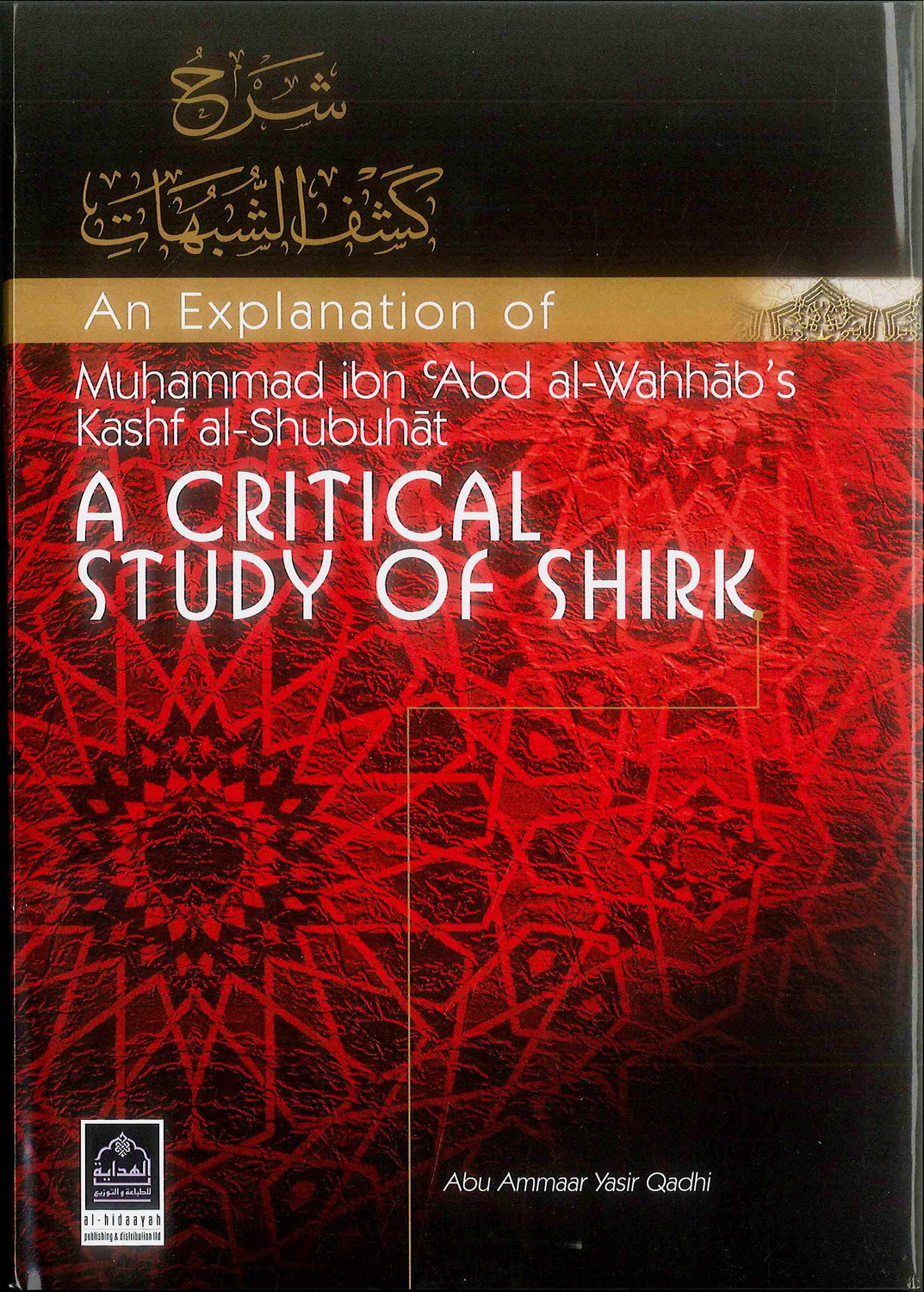
شرح كشف الشبهات
شرح كتاب كشف الشبهات للإمام محمد بن عبد الوهاب
دراسة نقدية للشرك
الهداية للطباعة والتوزيع
أبو عمار ياسر قاضي
Page:02
شرح كشف الشبهات
شرح كتاب كشف الشبهات للإمام محمد بن عبد الوهاب
دراسة نقدية للشرك
أبو عمار ياسر قاضي
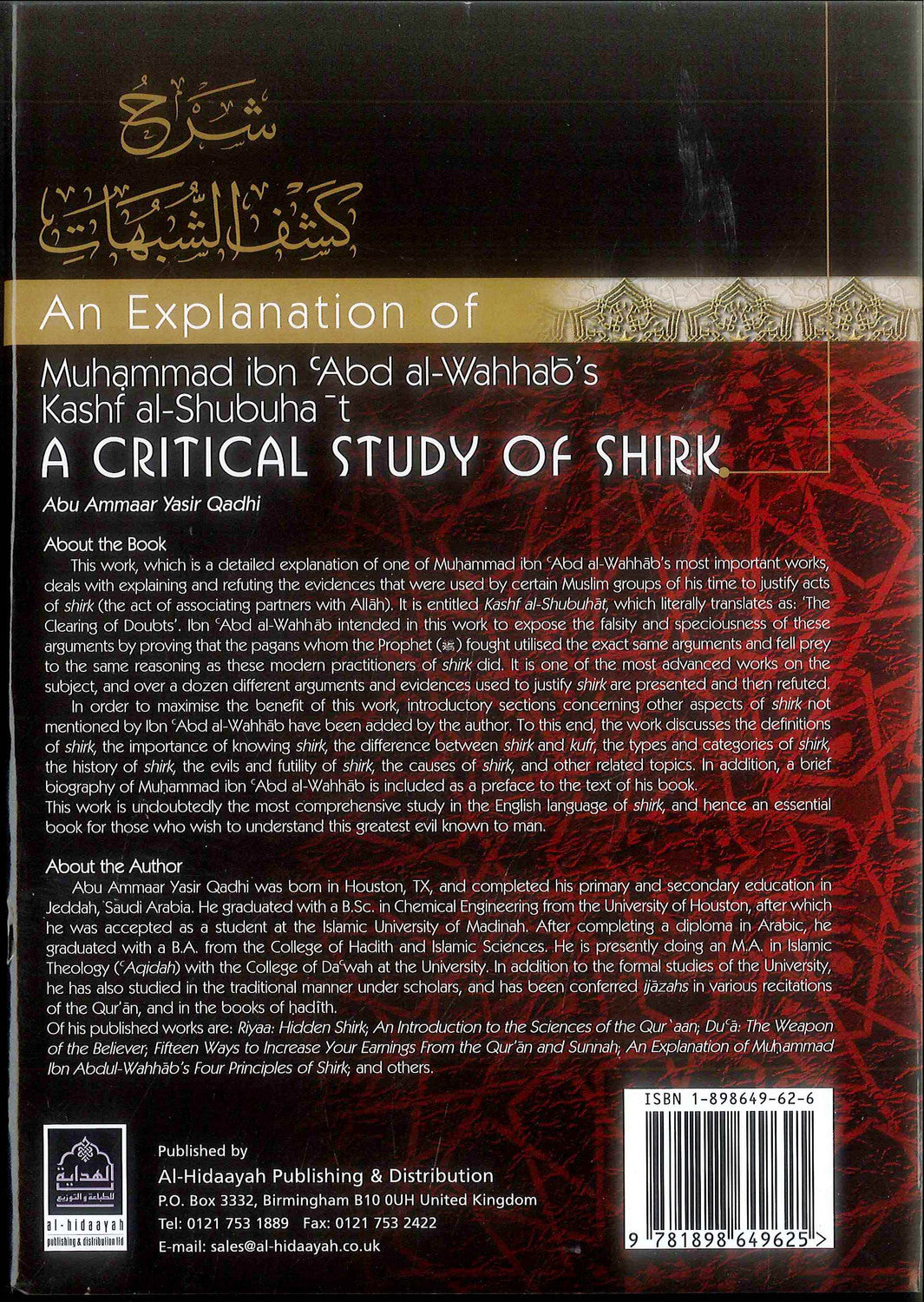
نبذة عن الكتاب
هذا العمل، وهو شرح مفصل لأحد أهم كتب الإمام محمد بن عبد الوهاب، يتناول توضيح وتفنيد الأدلة التي استخدمتها بعض الجماعات المسلمة في عصره لتبرير أفعال الشرك (أي إشراك شركاء مع الله). عنوان الكتاب "كشف الشبهات" يعني حرفياً "إزالة الشبهات". وقد قصد ابن عبد الوهاب من هذا العمل فضح زيف هذه الحجج ووهنها من خلال إثبات أن المشركين الذين قاتلهم النبي ﷺ استخدموا الحجج ذاتها ووقعوا في نفس المنطق الذي وقع فيه هؤلاء الممارسون المعاصرون للشرك. يُعد هذا الكتاب من أكثر الأعمال تقدماً في هذا الموضوع، حيث تم عرض وتفنيد أكثر من اثني عشر دليلاً وحجة استخدمت لتبرير الشرك. ولتعظيم الفائدة من هذا الكتاب، أضاف المؤلف فصولاً تمهيدية حول جوانب أخرى من الشرك لم يذكرها ابن عبد الوهاب. ولهذه الغاية، يناقش الكتاب تعريفات الشرك، وأهمية معرفة الشرك، والفرق بين الشرك والكفر، وأنواع الشرك وأقسامه، وتاريخ الشرك، ومفاسد الشرك وعبثيته، وأسباب الشرك، وغيرها من المواضيع ذات الصلة. بالإضافة إلى ذلك، تم إدراج سيرة ذاتية موجزة لمحمد بن عبد الوهاب كمقدمة لنص كتابه.
لا شك أن هذا العمل هو أشمل دراسة باللغة الإنجليزية للشرك، ومن ثم فهو كتاب أساسي لمن يرغب في فهم هذا أعظم شر عرفه الإنسان.
نبذة عن المؤلف
ولد أبو عمار ياسر قاضي في هيوستن بولاية تكساس، وأتم تعليمه الابتدائي والثانوي في جدة بالمملكة العربية السعودية. حصل على درجة البكالوريوس في الهندسة الكيميائية من جامعة هيوستن، وبعد ذلك قُبل طالباً في الجامعة الإسلامية بالمدينة المنورة. وبعد إتمام دبلوم في اللغة العربية، تخرج بدرجة البكالوريوس من كلية الحديث والدراسات الإسلامية. وهو حالياً بصدد إتمام درجة الماجستير في العقيدة الإسلامية في كلية الدعوة بالجامعة. بالإضافة إلى الدراسات النظامية في الجامعة، فقد درس أيضاً بالطريقة التقليدية على يد العلماء، وحصل على إجازات في قراءات مختلفة للقرآن الكريم وفي كتب الحديث.
من أعماله المنشورة: "الرياء: الشرك الخفي"، "مقدمة في علوم القرآن"، "الدعاء: سلاح المؤمن"، "خمسة عشر وسيلة لزيادة رزقك من الكتاب والسنة"، "شرح كتاب الأصول الأربعة للشرك للإمام محمد بن عبد الوهاب"، وغيرها.
Page:03
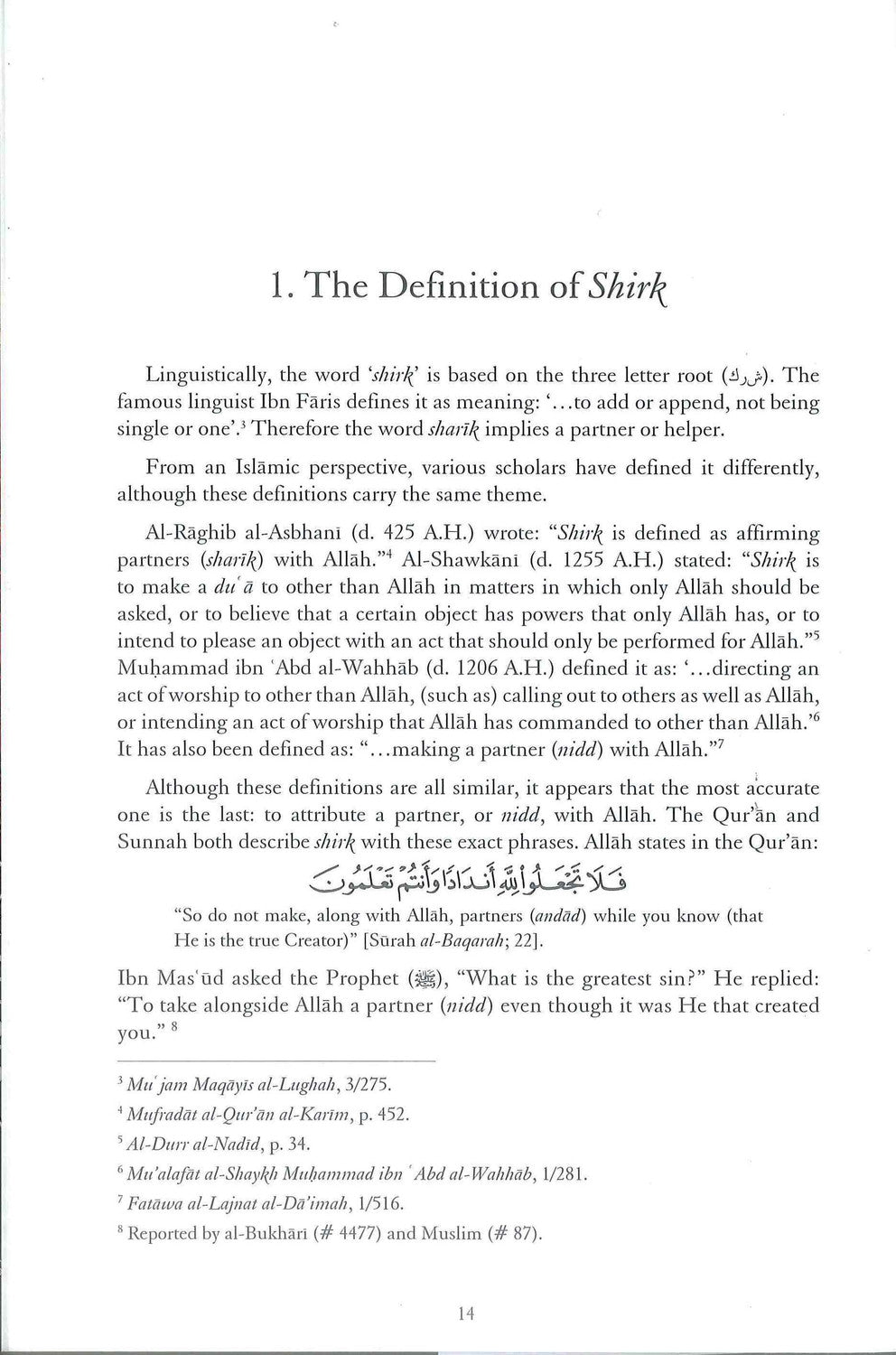
تعريف الشرك
لغةً، كلمة "شرك" مشتقة من الجذر الثلاثي (ش ر ك). يعرّفها اللغوي الشهير ابن فارس بأنها تعني: "إضافة شيء إلى شيء، وعدم كونه فرداً أو واحداً". ولذلك، فإن كلمة "شريك" تعني الرفيق أو المعين.
ومن منظور إسلامي، عرّفه علماء مختلفون تعريفات متنوعة، على الرغم من أن هذه التعريفات تحمل نفس المضمون.
كتب الراغب الأصفهاني (ت 425هـ): "الشرك هو إثبات شريك لله". وذكر الشوكاني (ت 1255هـ): "الشرك هو دعاء غير الله في الأمور التي لا ينبغي أن يُدعى فيها إلا الله، أو الاعتقاد بأن شيئاً ما له قدرات لا يملكها إلا الله، أو قصد إرضاء شيء بفعل لا ينبغي أن يُؤدى إلا لله". وعرّفه محمد بن عبد الوهاب (ت 1206هـ) بقوله: "...صرف نوع من أنواع العبادة لغير الله، كدعاء غير الله مع الله، أو قصد عبادة أمر الله بها لغير الله". كما عُرّف بأنه: "...جعل نِدّ لله".
وعلى الرغم من تشابه هذه التعريفات، يبدو أن أدقها هو الأخير: أن تجعل لله نِدّاً أو شريكاً. وقد وصف القرآن والسنة الشرك بهاتين العبارتين تحديداً. يقول الله تعالى في القرآن:
فَلا تَجْعَلُوا لِلَّهِ أَندَادًا وَأَنتُمْ تَعْلَمُونَ
[سورة البقرة: 22].
سأل ابن مسعود النبي ﷺ: "أي الذنب أعظم؟" فقال: "أن تجعل لله نِدّاً وهو خلقك".
Page:03
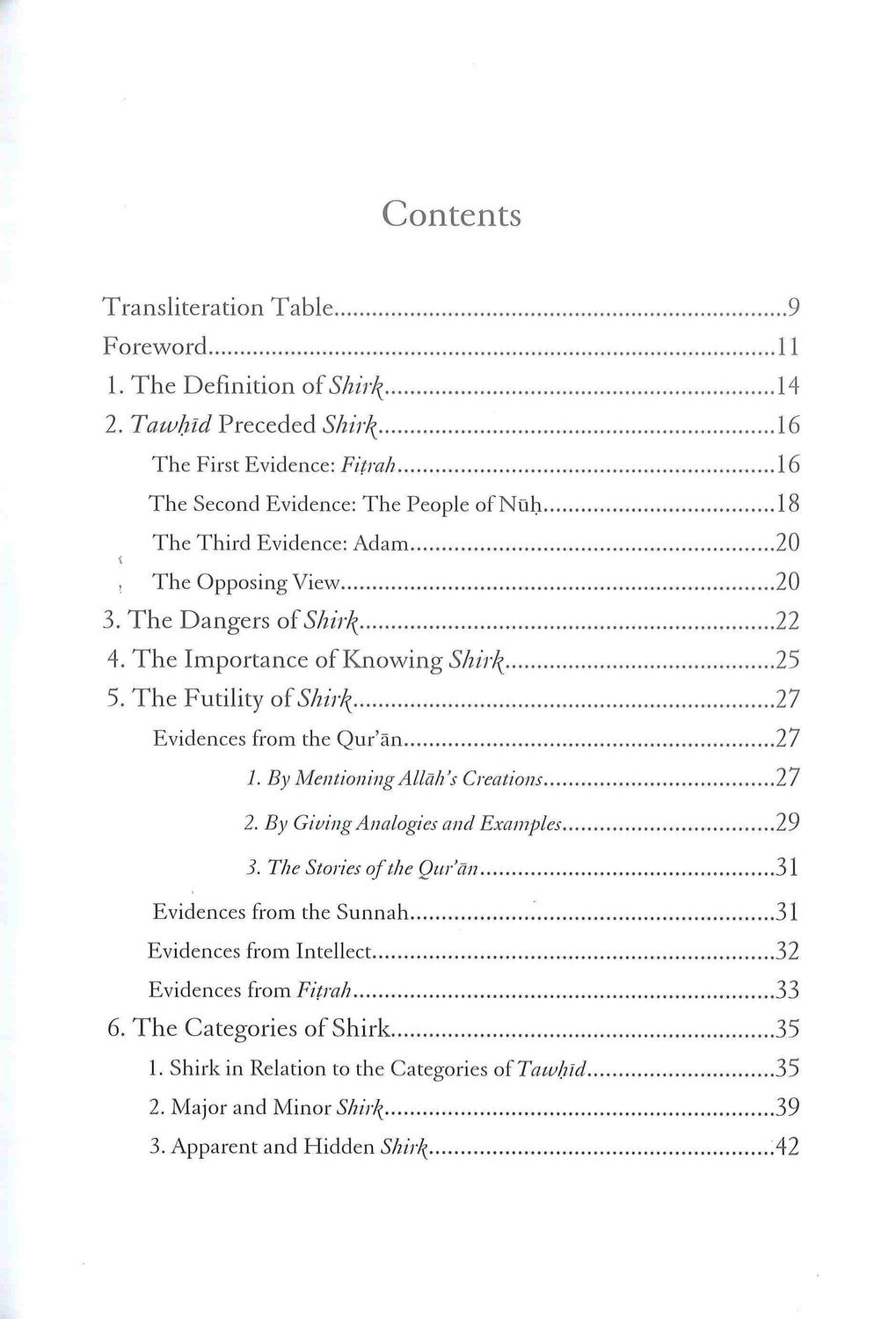
الفهرس
جدول الحروف المترجمة..
مقدمة..
1. تعريف الشرك..
2. التوحيد سبق الشرك..
الدليل الأول: الفطرة..
الدليل الثاني: قوم نوح..
الدليل الثالث: آدم..
الرأي المعارض..
3. مخاطر الشرك..
4. أهمية معرفة الشرك..
5. عبثية الشرك..
أدلة من القرآن.....
1. بذكر مخلوقات الله..
2. بضرب الأمثلة والتشبيهات..
3. قصص القرآن..
أدلة من السنة..
أدلة من العقل..
أدلة من الفطرة..
6. أقسام الشرك..
1. الشرك بالنسبة لأقسام التوحيد..
2. الشرك الأكبر والشرك الأصغر..
3. الشرك الظاهر والخفي..
الناشر
Al Hidaayah Publishing
مؤلف
- أبو عمار ياسر القاضي
الشحن والتوصيل
نقوم بشحن الطلبات مباشرة من مستودعاتنا في المملكة المتحدة والولايات المتحدة الأمريكية، ونقدم خيارات شحن متعددة لتناسب احتياجاتك. نحن نشحن بفخر إلى جميع أنحاء العالم.
عمليات التسليم في المملكة المتحدة (من مستودع المملكة المتحدة):
يصل الشحن القياسي عادةً في غضون 3-4 أيام عمل. يستغرق التسليم السريع 2-3 أيام عمل. نهدف إلى شحن الطلبات في نفس اليوم أو يوم العمل التالي، مع توفر خيارات التوصيل في اليوم التالي حيثما ينطبق ذلك.
عمليات التسليم في الولايات المتحدة الأمريكية (من مستودع الولايات المتحدة الأمريكية):
تصل الطلبات عادةً في غضون 4-7 أيام عمل.
أوروبا (يتم الشحن من المملكة المتحدة):
يستغرق التسليم القياسي حوالي 6-10 أيام عمل، مع توفر خدمات الشحن السريع في غضون 3-5 أيام عمل.
كندا:
الوقت المقدر للتسليم هو 5-10 أيام عمل.
الشحن في جميع أنحاء العالم:
تصل الطلبات الدولية بشكل عام في غضون 5-20 يوم عمل، اعتمادًا على الوجهة وطريقة الشحن المختارة.
للحصول على جداول زمنية دقيقة للتسليم بناءً على موقعك، يرجى الاتصال بنا عبر البريد الإلكتروني وسيقدم فريقنا معلومات مفصلة ومخصصة لعنوانك.
صفحات العينة - المحتوى
Page:01
شرح كشف الشبهات
شرح كتاب كشف الشبهات للإمام محمد بن عبد الوهاب
دراسة نقدية للشرك
الهداية للطباعة والتوزيع
أبو عمار ياسر قاضي
Page:02
شرح كشف الشبهات
شرح كتاب كشف الشبهات للإمام محمد بن عبد الوهاب
دراسة نقدية للشرك
أبو عمار ياسر قاضي
نبذة عن الكتاب
هذا العمل، وهو شرح مفصل لأحد أهم كتب الإمام محمد بن عبد الوهاب، يتناول توضيح وتفنيد الأدلة التي استخدمتها بعض الجماعات المسلمة في عصره لتبرير أفعال الشرك (أي إشراك شركاء مع الله). عنوان الكتاب "كشف الشبهات" يعني حرفياً "إزالة الشبهات". وقد قصد ابن عبد الوهاب من هذا العمل فضح زيف هذه الحجج ووهنها من خلال إثبات أن المشركين الذين قاتلهم النبي ﷺ استخدموا الحجج ذاتها ووقعوا في نفس المنطق الذي وقع فيه هؤلاء الممارسون المعاصرون للشرك. يُعد هذا الكتاب من أكثر الأعمال تقدماً في هذا الموضوع، حيث تم عرض وتفنيد أكثر من اثني عشر دليلاً وحجة استخدمت لتبرير الشرك. ولتعظيم الفائدة من هذا الكتاب، أضاف المؤلف فصولاً تمهيدية حول جوانب أخرى من الشرك لم يذكرها ابن عبد الوهاب. ولهذه الغاية، يناقش الكتاب تعريفات الشرك، وأهمية معرفة الشرك، والفرق بين الشرك والكفر، وأنواع الشرك وأقسامه، وتاريخ الشرك، ومفاسد الشرك وعبثيته، وأسباب الشرك، وغيرها من المواضيع ذات الصلة. بالإضافة إلى ذلك، تم إدراج سيرة ذاتية موجزة لمحمد بن عبد الوهاب كمقدمة لنص كتابه.
لا شك أن هذا العمل هو أشمل دراسة باللغة الإنجليزية للشرك، ومن ثم فهو كتاب أساسي لمن يرغب في فهم هذا أعظم شر عرفه الإنسان.
نبذة عن المؤلف
ولد أبو عمار ياسر قاضي في هيوستن بولاية تكساس، وأتم تعليمه الابتدائي والثانوي في جدة بالمملكة العربية السعودية. حصل على درجة البكالوريوس في الهندسة الكيميائية من جامعة هيوستن، وبعد ذلك قُبل طالباً في الجامعة الإسلامية بالمدينة المنورة. وبعد إتمام دبلوم في اللغة العربية، تخرج بدرجة البكالوريوس من كلية الحديث والدراسات الإسلامية. وهو حالياً بصدد إتمام درجة الماجستير في العقيدة الإسلامية في كلية الدعوة بالجامعة. بالإضافة إلى الدراسات النظامية في الجامعة، فقد درس أيضاً بالطريقة التقليدية على يد العلماء، وحصل على إجازات في قراءات مختلفة للقرآن الكريم وفي كتب الحديث.
من أعماله المنشورة: "الرياء: الشرك الخفي"، "مقدمة في علوم القرآن"، "الدعاء: سلاح المؤمن"، "خمسة عشر وسيلة لزيادة رزقك من الكتاب والسنة"، "شرح كتاب الأصول الأربعة للشرك للإمام محمد بن عبد الوهاب"، وغيرها.
Page:03
تعريف الشرك
لغةً، كلمة "شرك" مشتقة من الجذر الثلاثي (ش ر ك). يعرّفها اللغوي الشهير ابن فارس بأنها تعني: "إضافة شيء إلى شيء، وعدم كونه فرداً أو واحداً". ولذلك، فإن كلمة "شريك" تعني الرفيق أو المعين.
ومن منظور إسلامي، عرّفه علماء مختلفون تعريفات متنوعة، على الرغم من أن هذه التعريفات تحمل نفس المضمون.
كتب الراغب الأصفهاني (ت 425هـ): "الشرك هو إثبات شريك لله". وذكر الشوكاني (ت 1255هـ): "الشرك هو دعاء غير الله في الأمور التي لا ينبغي أن يُدعى فيها إلا الله، أو الاعتقاد بأن شيئاً ما له قدرات لا يملكها إلا الله، أو قصد إرضاء شيء بفعل لا ينبغي أن يُؤدى إلا لله". وعرّفه محمد بن عبد الوهاب (ت 1206هـ) بقوله: "...صرف نوع من أنواع العبادة لغير الله، كدعاء غير الله مع الله، أو قصد عبادة أمر الله بها لغير الله". كما عُرّف بأنه: "...جعل نِدّ لله".
وعلى الرغم من تشابه هذه التعريفات، يبدو أن أدقها هو الأخير: أن تجعل لله نِدّاً أو شريكاً. وقد وصف القرآن والسنة الشرك بهاتين العبارتين تحديداً. يقول الله تعالى في القرآن:
فَلا تَجْعَلُوا لِلَّهِ أَندَادًا وَأَنتُمْ تَعْلَمُونَ
[سورة البقرة: 22].
سأل ابن مسعود النبي ﷺ: "أي الذنب أعظم؟" فقال: "أن تجعل لله نِدّاً وهو خلقك".
Page:03
الفهرس
جدول الحروف المترجمة..
مقدمة..
1. تعريف الشرك..
2. التوحيد سبق الشرك..
الدليل الأول: الفطرة..
الدليل الثاني: قوم نوح..
الدليل الثالث: آدم..
الرأي المعارض..
3. مخاطر الشرك..
4. أهمية معرفة الشرك..
5. عبثية الشرك..
أدلة من القرآن.....
1. بذكر مخلوقات الله..
2. بضرب الأمثلة والتشبيهات..
3. قصص القرآن..
أدلة من السنة..
أدلة من العقل..
أدلة من الفطرة..
6. أقسام الشرك..
1. الشرك بالنسبة لأقسام التوحيد..
2. الشرك الأكبر والشرك الأصغر..
3. الشرك الظاهر والخفي..
من هو Abu Ammaar Yasir Qadhi؟
Abu Ammaar Yasir Qadhi is an American Muslim scholar, academic, and author known for his works on Islamic theology, history, and contemporary issues. He studied at the Islamic University of Madinah and Yale University, and serves as a prominent lecturer and teacher for Muslims worldwide